
SPRING 2026
Peace & Riot Picks
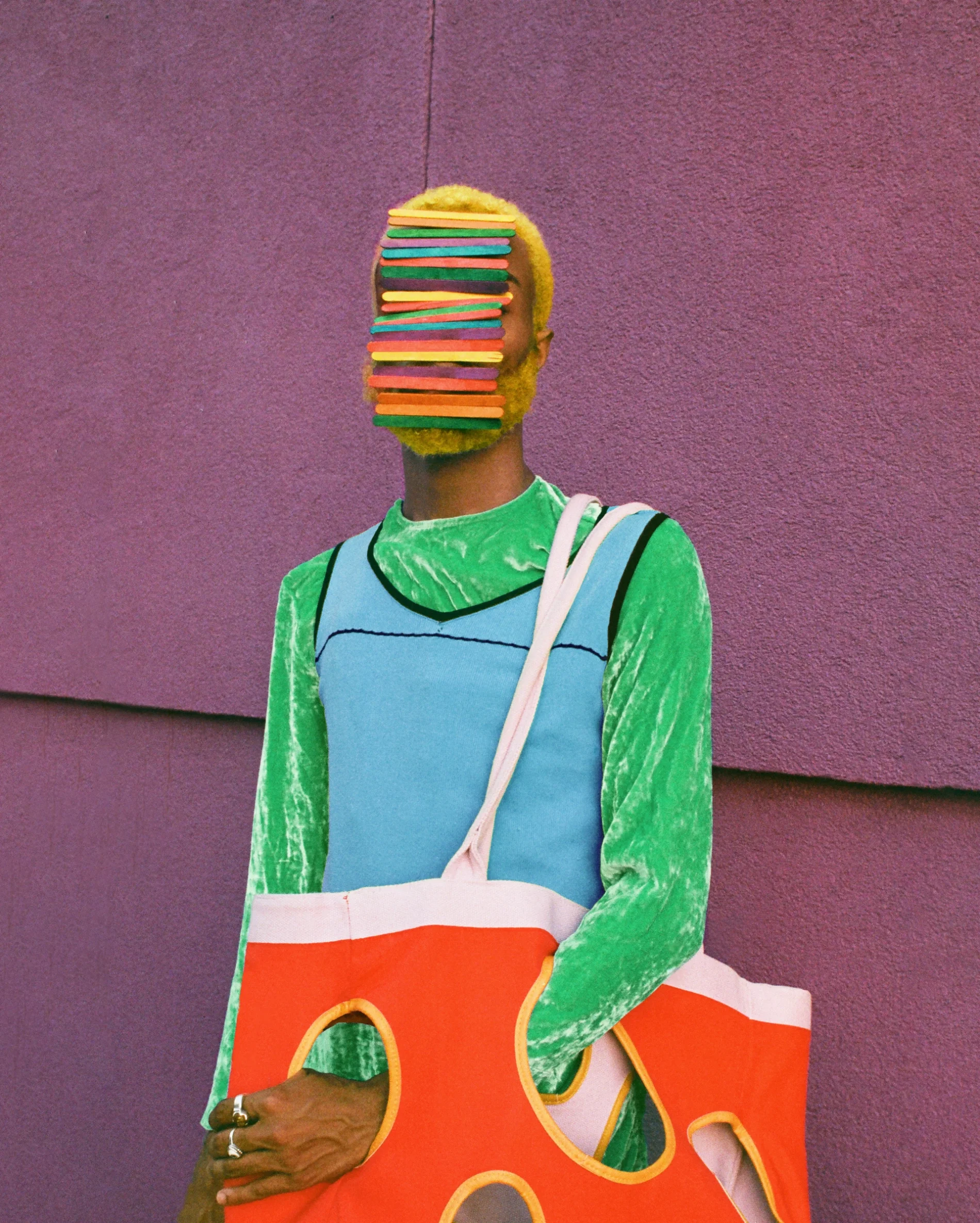
AI doesn’t just impact our environment; it fractures our attention, too! In this special section, the Counterstream team shares resources to help readers not only reclaim their focus, but also strengthen those skills—such as critical thinking and contemplation—that AI undermines.
FROM MINDY RAMAKER
EDITOR-IN-CHIEF, PEACE & RIOT
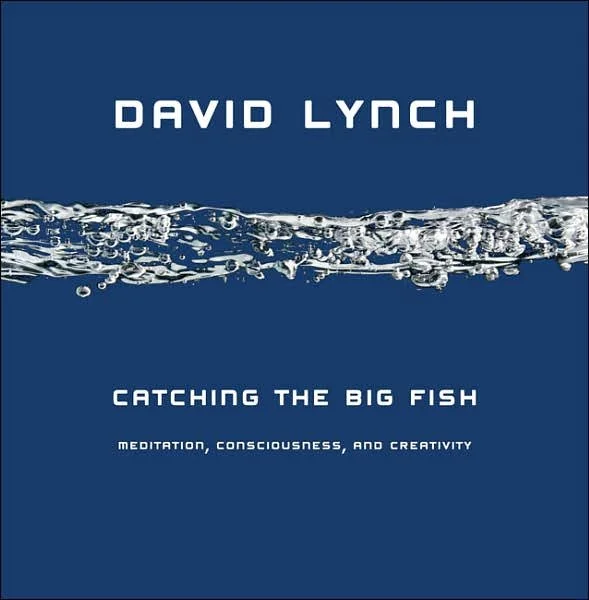
Catching the Big Fish by David Lynch
My former boss, the late David Lynch, was a champion of meditation. His book Catching the Big Fish: Meditation, Consciousness, and Creativity offers a window into how meditation allows the mind to settle. It also frames meditation as the ultimate tool for unlocking creativity. As David writes, “Ideas are like fish. If you want to catch little fish, you can stay in the shallow water. But if you want to catch the big fish, you’ve got to go deeper.” And meditation is one way to go deeper. This is a short, easy read, perfect for our busy minds in a digital age. We’ve all heard the phrase “true happiness lies within.” But as David points out, the phrase doesn’t tell you where “within” is or how to get there. This book can help.
“Attention Pays” |The Gray Area
We are living in what many call an “attention economy” where our attention is being bought and sold, extracted by companies, social media platforms, and advertisers all trying to make a buck. This podcast episode is where I learned how powerful digital technology is capturing our attention with scary precision. It shows why protecting our attention matters for our own focus and well-being, but also for us as a society. What we collectively notice shapes social priorities, and determines whether urgent issues—like environmental justice—receive the engagement they deserve. A must listen! (And where I first learned about The School of Radical Attention, featured in this issue of Peace & Riot.)
FROM KATE WEINER
PEACE & RIOT EDITOR
Sit Spot
This is not so much a resource as a practice. Recently, my community lost a beloved friend, father, brother, uncle, and mentor, Michael Trotta. I first met Michael when I was seven, and the nature-based afterschool program that he facilitated with his incredible wife Lynn truly seeded my passion for environmental justice. One of Michael’s gifts was that he got so many of us to make time for a sit spot everyday. At its core, a sit spot is a practice of finding a place in nature (whatever that means to you) where you can return everyday, at the same time, to observe. The goal isn’t to maximize or extract: it’s to witness, and affirm. In an era when AI is eroding our practices of earth intimacy, I continue to be grateful for the people—like Michael—and the practices—like sit spot—that root us to the dynamic world we live in. There’s no scrolling past during a sit spot. Only being with.
Creatures NYC
One of the most powerful antidotes to AI is enchantment. Creatures NYC, curated by the science writer Sabrina Imbler, is a joyful roundup of in-person experiences in and around NYC for everything from getting muddy to foraging for edible herbs.
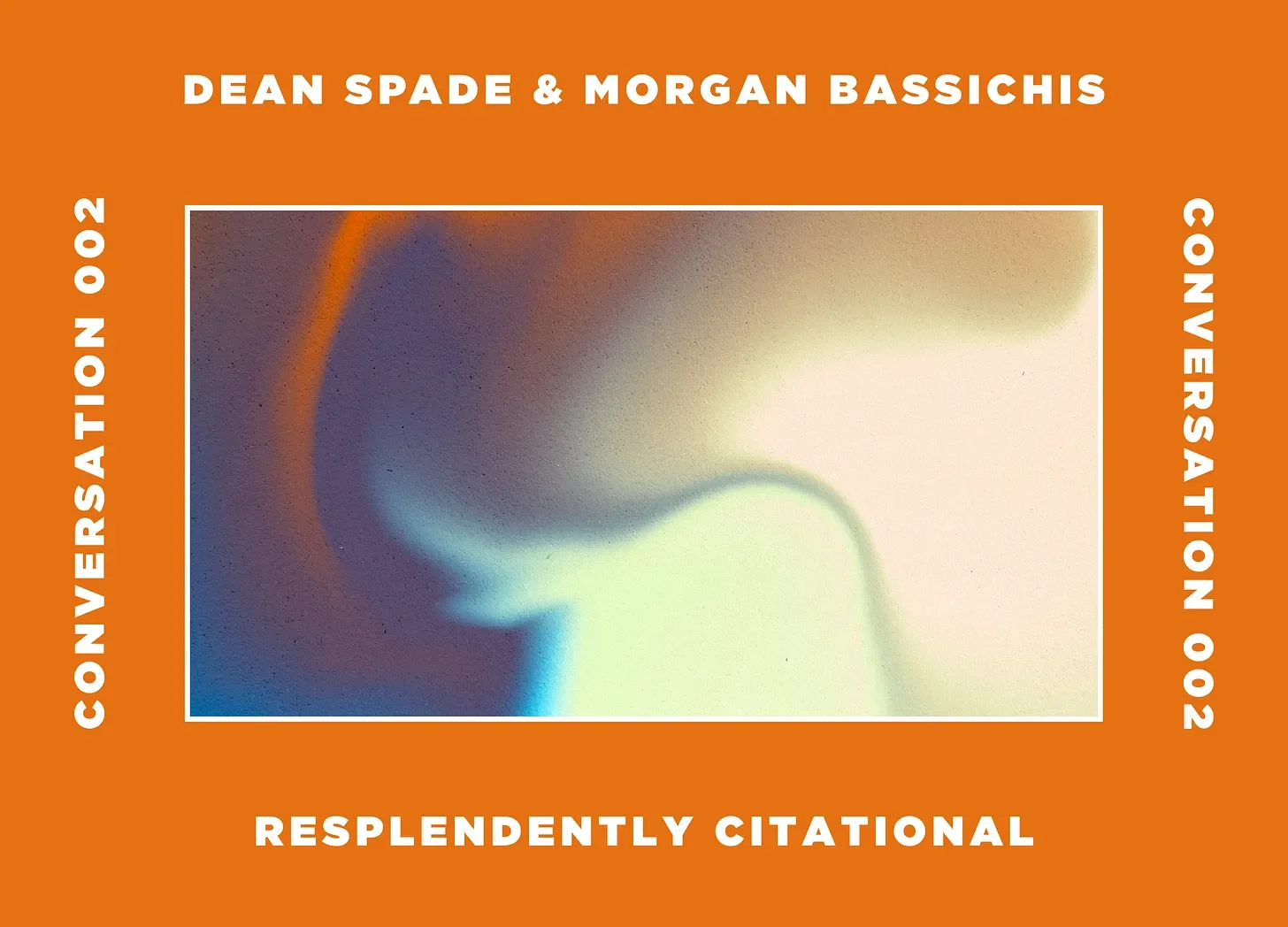
Resplendently Citational
My dear friend and collaborator Amirio Freeman—check out their interview with Jai Dulani of MediaJustice—is one of my favorite people to think through AI with. We recently launched an interview series where we get to learn from collaborators on the practices and perspectives that sustain messy, imperfect, juicy creative partnership. Every interview has been a reminder for me of all the processes (in-time iteration, long-term relationship) that AI can’t touch. There’s truly no shortcutting substance.
FROM JULIA LUZ BETANCOURT
ASSISTANT EDITOR
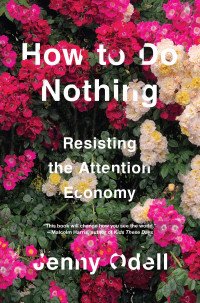
How to Do Nothing: Resisting the Attention Economy by Jenny Odell
This book explores the radicalness of resisting the "attention economy" driven by algorithms and capitalist ideas of productivity. In addition to noting the ways algorithms steal and capitalize off our attention, it provides an anti-capitalist perspective on how "doing nothing" can bring us back to our natural ways of being, and give us the courage to take action. As social media and news media send us into a frenzy of fear and anxiety, Odell argues that reclaiming our attention can help us give ourselves back to the things we need in order to resist: communal living, maintenance and care, our ability to imagine a just world in our current one, and a commitment to live in permanent refusal. Here's a quote from the book that I think underscores this point: "I consider 'doing nothing' both as a kind of deprogramming device and as sustenance for those feeling too disassembled to act meaningfully."
FROM MARIANELLA NUÑEZ
OPERATIONS DIRECTOR
The Out of Eden Walk
The Out of Eden Walk is a 24,000-mile, 13-year, "slow journalism" expedition that retraces the prehistoric migration of early humans on foot. Paul Salopek’s dispatches connect stories of climate change, migration, and cultural identity through meaningful encounters with communities along his path. I recommend checking out this project to escape the fast-paced media cycle and the fragmentation caused by social media algorithms. I appreciate how it deeply honors humanity and storytelling in a very grounded way.
FROM SHILPI CHHOTRAY
CO-FOUNDER & PRESIDENT
Loam
Loam, led by our colleagues Kailea Loften and Peace & Riot Editor Kate Weiner, is one of the few publications that treats storytelling as a living system rather than content to be optimized. Its work sits at the intersection of environmental, social, and personal transformation, offering narratives that move slowly and require sustained attention. In a world where AI slop flattens meaning, the latest issue of Loam insists on analog practices and relational thinking.
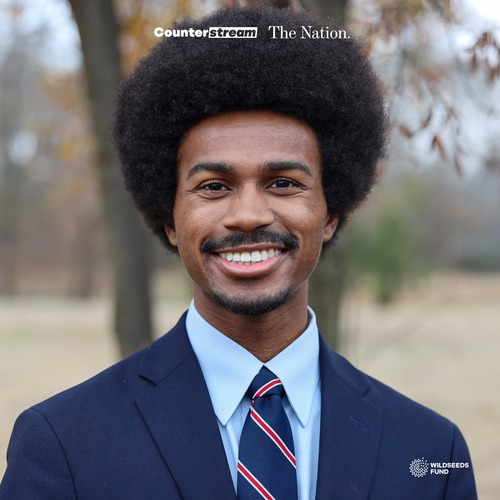
A People’s Climate
My conversation with Representative Justin J. Pearson for Season One of A People's Climate fundamentally shifted how I’ve been thinking about AI and its political and environmental consequences. What emerged was this really interesting throughline between the extractive industries of the past and the systems currently being built to power AI. That conversation sharpened my focus and directly influenced how we approached this issue of Peace & Riot, grounding it in questions of power, governance, and of course, people power.
A Kids Book About AI Bias
I’m coming to the work of Dr. Avriel Epps from the lens of a mother, thinking about the world my kids will inherit. AI is already shaping that world, yet most conversations about bias and power are written for adults. Her work offers an entry point that helps kids understand how these systems can reinforce harm. She’s also trained through an abolitionist lens, which names the deeper questions of power, accountability, and collective responsibility.
FROM PATRICE SIMMS
CO-FOUNDER & STRATEGIC ADVISOR
AI is biased against speakers of African American English, study finds |UChicago News
There is some really amazing (and disturbing) research about how AI itself amplifies racist perception. This article describes one example of that. It unpacks how AI uses language to make racist assumptions, amplify racist stereotypes, and produce racist outputs.
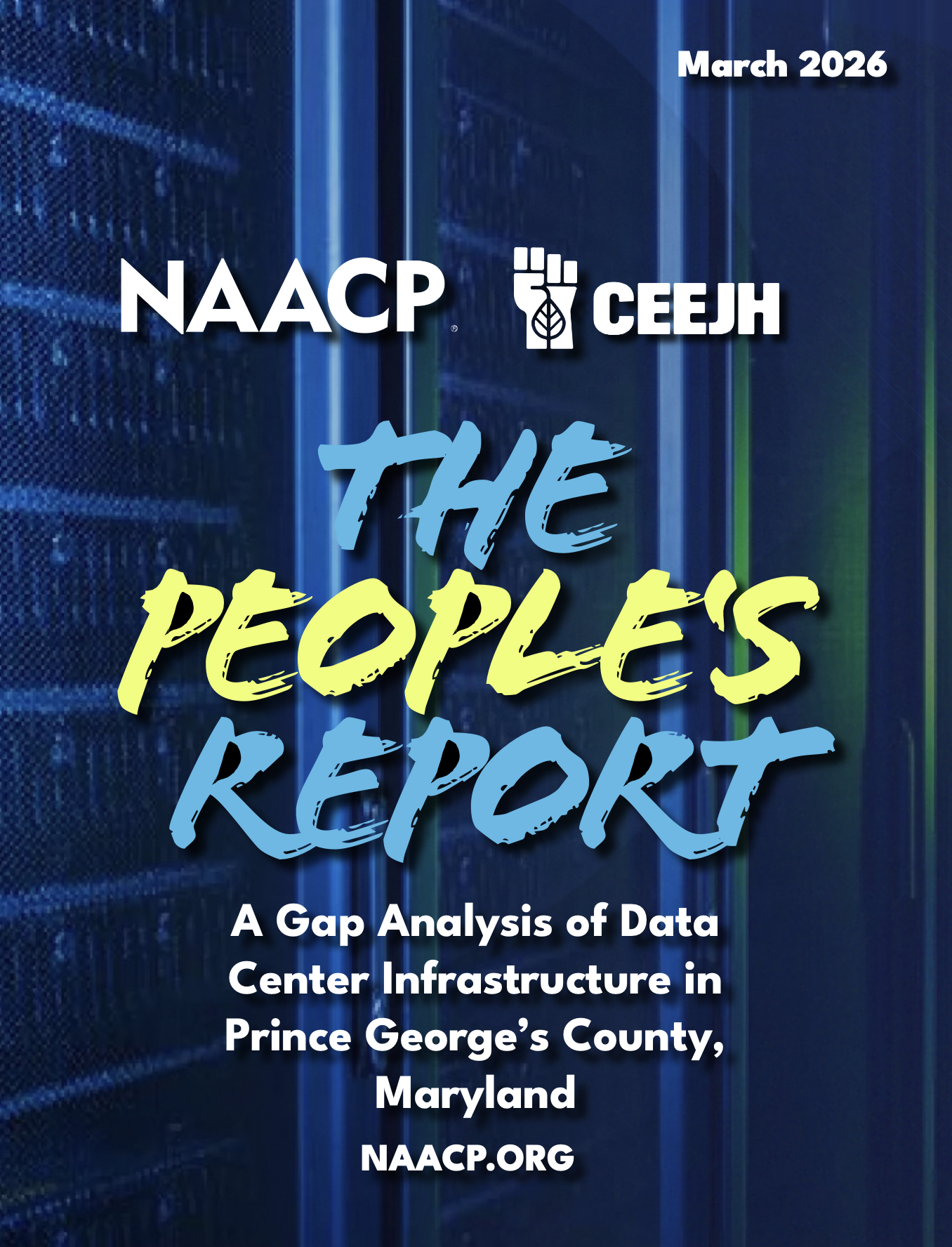
The People's Report: Data Centers in Prince George's County, MD
The NAACP and CEEJH have produced a report on data center equity, focused on the proposed buildout of AI data centers in Prince George’s County MD. This report is a really informative tool on how to engage in community-based data center-related advocacy.
Peace & Riot is a nonprofit publication and free to read.
We believe access to movement-rooted storytelling should remain open and accessible.
But sustaining this publication requires sustained funding.
If you value independent storytelling that uplifts frontline voices, honors lived experience, and strengthens cultural resistance, please consider supporting our work with a tax-deductible donation.
Your contribution helps sustain the journalists, editors, artists, and storytellers who make this digital zine possible — and ensures Peace & Riot remains a platform for connection, truth, and creative expression.
Support Peace & Riot today.