
Fall/Winter 2025
Peace & Riot Picks
A curated list by Ko Bragg
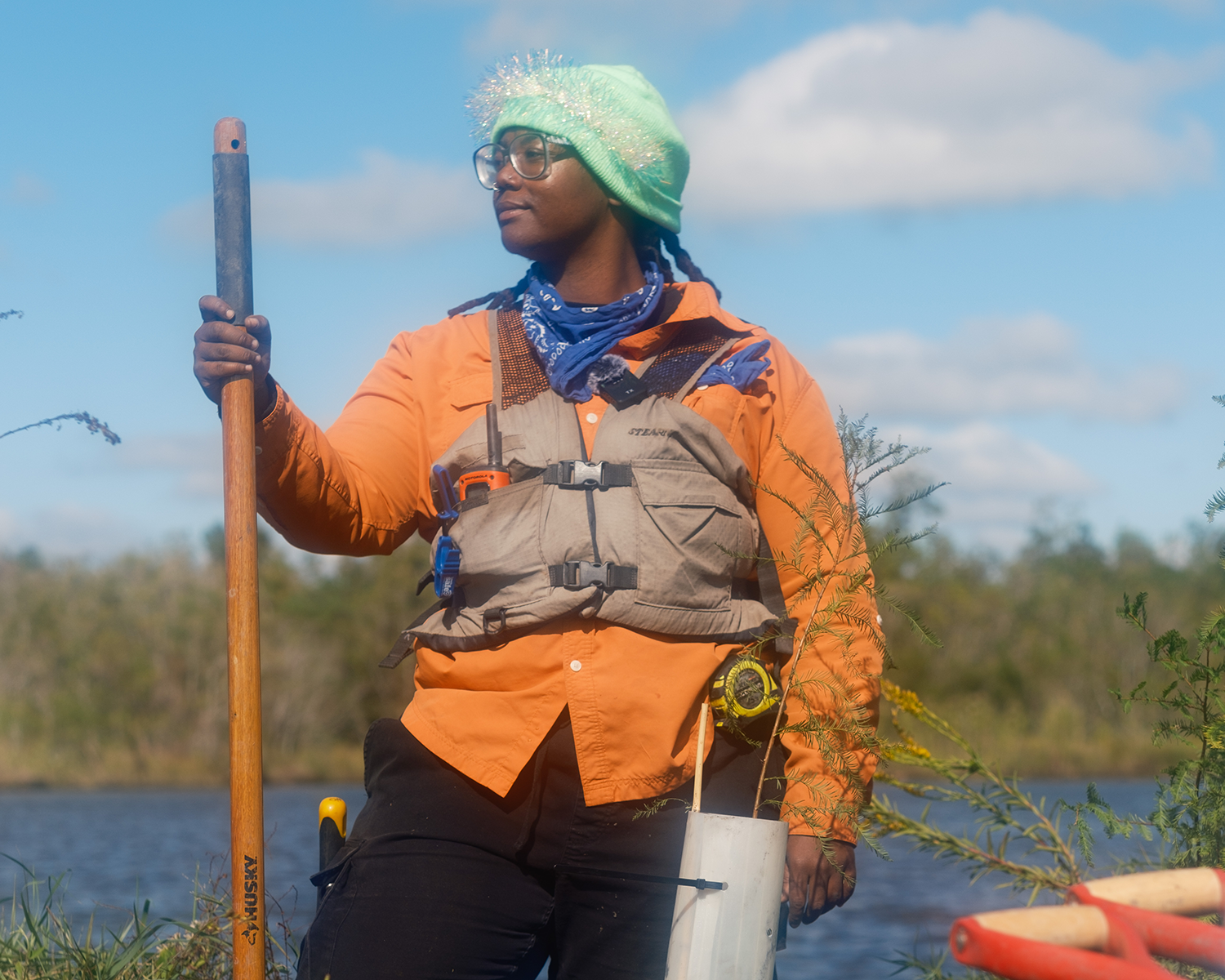
Photography by Rita Harper for The Margin.
I have been based in New Orleans for five years now, as a writer, editor, and now professor of journalism. If I had a dollar for every time I’ve heard someone praise New Orleans’ resiliency, I could pay off my mortgage today. Of course, I get it on some levels. This is the place people look to because we are on the frontlines of some of the most devastating effects of climate change in the Global South. I personally attribute my career in journalism and current role as the managing editor of The Margin to the news coverage that emerged following Hurricane Katrina 20 years ago; the racist, biased, inciting coverage provided a much younger me with something akin to a media awakening that lives on in my work today.
Still, there’s something quite painful about constantly labelling a majority-Black city as resilient. “Resilience” as a label suggests that things will continue to be bad here, and that no matter what, the people on the margins will snap back into shape, better than ever, joyful even. But it’s important to acknowledge the various failures that led to them being pulled apart in the first place—and why we need better systems to find another way forward.
My selections—a combination of work I admire and work I’ve commissioned or written—are an offering to sit with that nuance. It’s also an invitation to consider the work this city’s residents have done to be resistant, a term I believe captures the ongoing practices of community care, such as preparation, mutual aid, coastal restoration, and tree-planting, that demonstrate this city’s unwillingness to accept the fate that government entities and Big Oil have imposed upon this region.
On the storm of capitalism
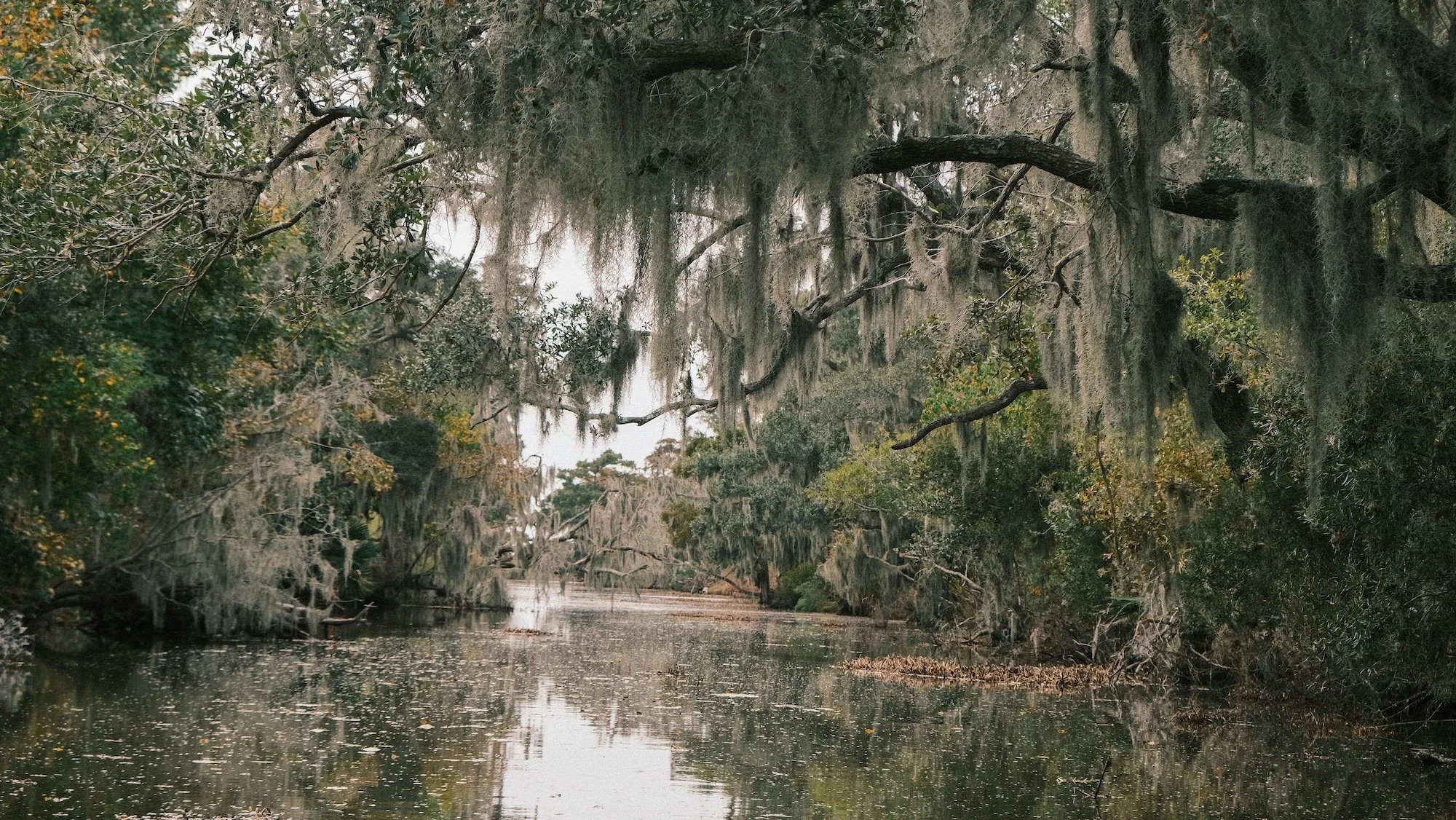
Ko Bragg and Virginia Walcott for Scalawag
Disaster capitalism, climate change, and the campaign to sell Black New Orleans
Nicole Young for Scalawag
On the media’s failures during Katrina and beyond
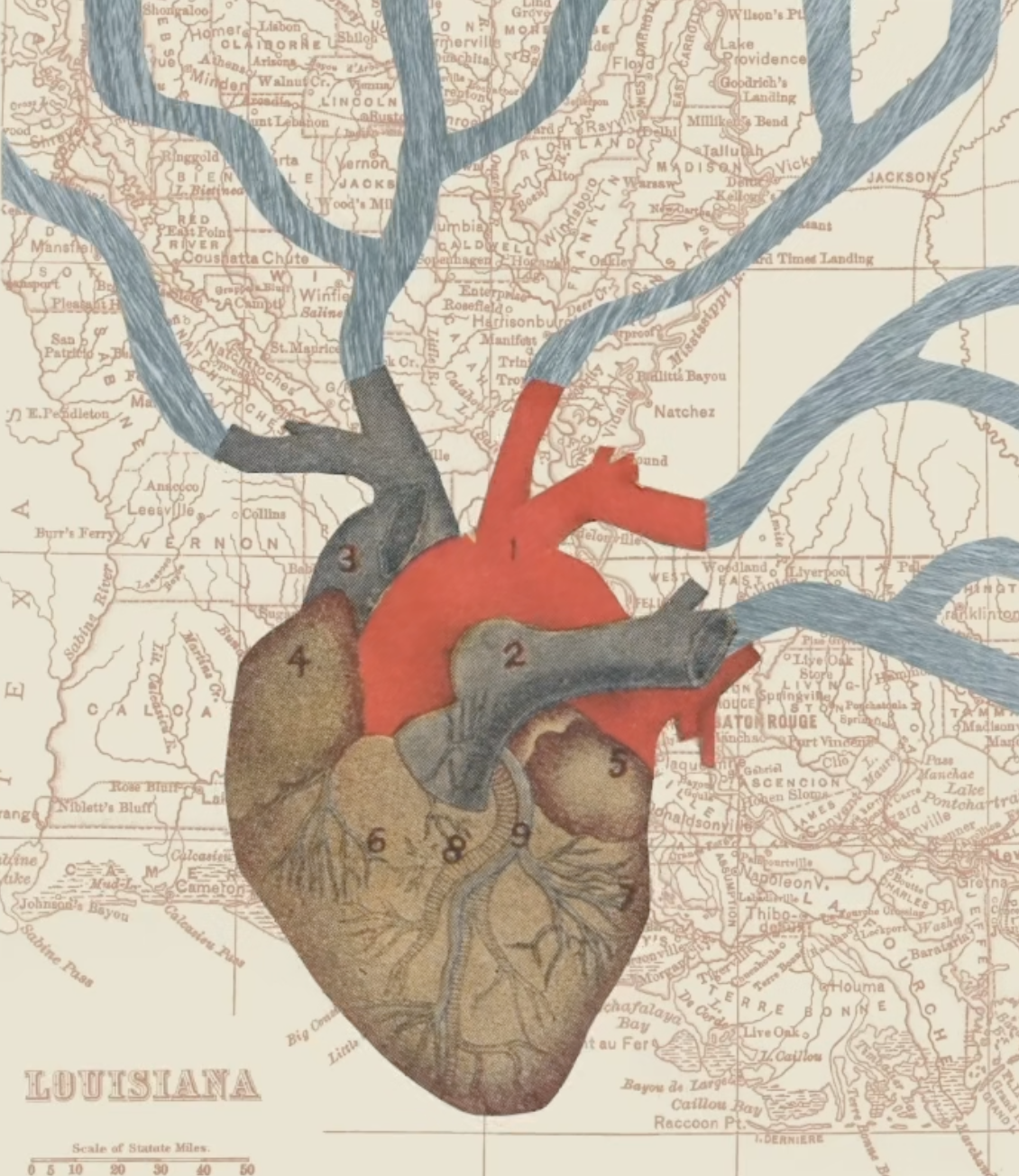
Ko Bragg for Columbia Journalism Review
The Atlantic’s Floodlines podcast
Hosted by Vann R. Newkirk II.
On the fight for recognition and rebuilding in Louisiana
Photography by Rita Harper for The Margin.
On the impact of corporations on Louisiana communities
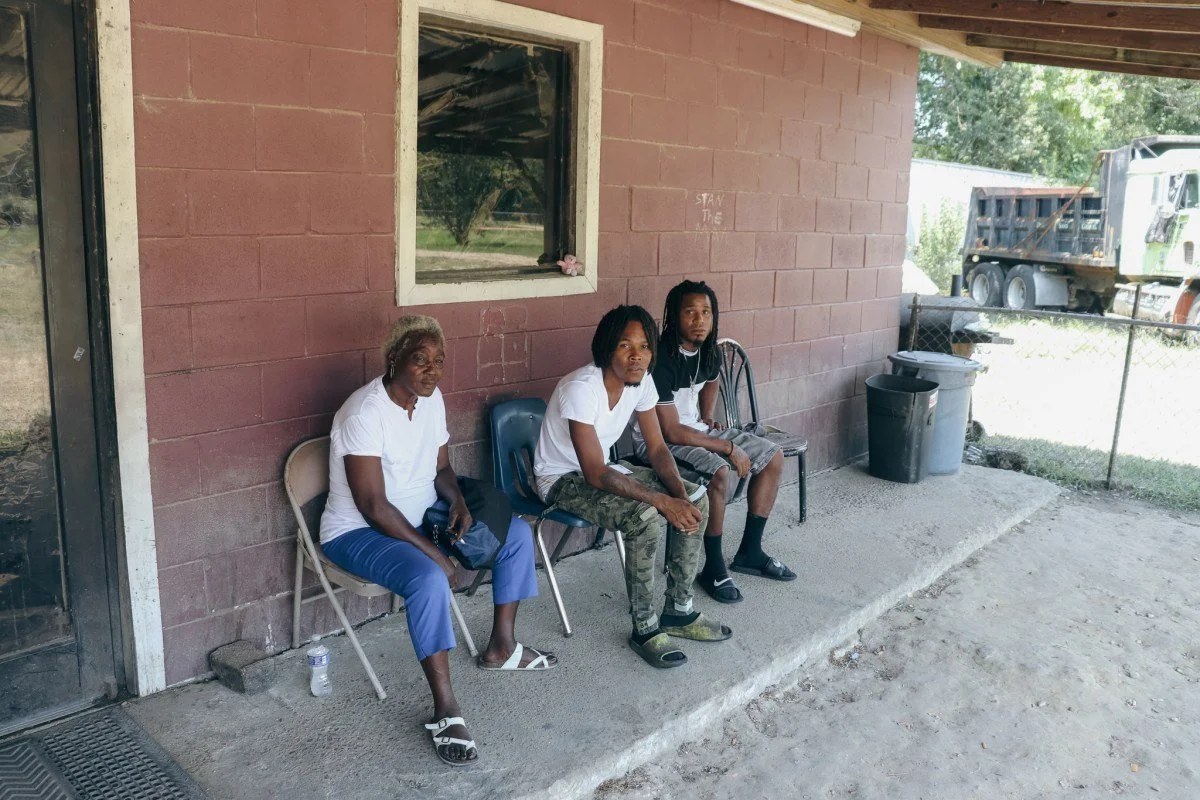
Mary (left), Tyreik Taylor (middle), and Tevin Moore sat outside on Tuesday about a mile from the site of the Smitty’s Supply explosion in Roseland, Louisiana, that rained oily droplets on the surrounding community. “They don’t care about us,” said Taylor, referring to both the industrial company and government officials. (Adam Mahoney/Capital B)
Explosion at Louisiana Oil Plant Leaves Black Community Coated in Toxic Fallout
Adam Mahoney for Capital B
Soot, Sickness, and Silence: A Black Louisiana Community Is Still Struggling After an Explosion
Adam Mahoney for Capital B
How a $5 Billion Federal Project Could Sink the Lower Ninth Ward Forever
Adam Mahoney for Capital B
On the role of community care–including holding institutions responsible for it to account
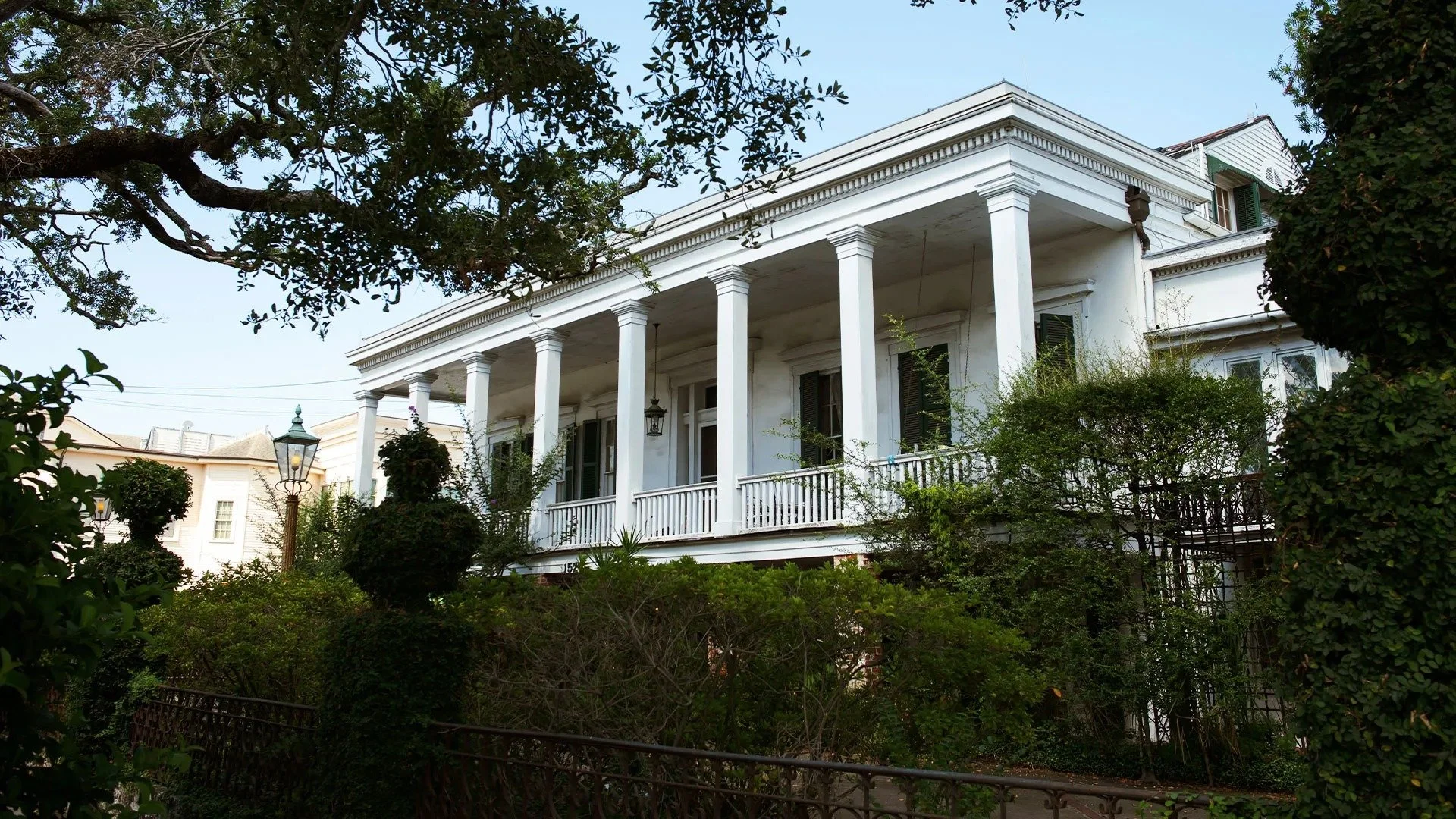
The headquarters of New Orleans Musicians Assistance Foundation, the nonprofit that operates the Musicians' Clinic. Every month, the Foundation pays Bethany Bultman and her husband Johann $4,094 in rent for its use of the building for its offices. Photo by Trenity Thomas for Scalawag.
Plantation Politics: The New Orleans Musicians' Clinic's crisis of credibility
Drew Hawkins for Scalawag
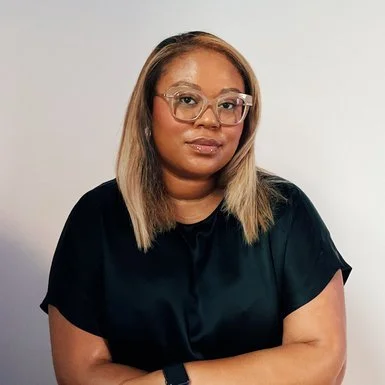
Ko Bragg (she/her) is a writer and editor based in and focused on justice in the U.S. South, Mississippi in particular. She is the Managing Editor at The Margin. Previously she served as the Race & Place Editor at Scalawag, where she launched a newsletter about popular culture and the criminal-legal system called "pop justice." You can find her work in The Atlantic, Frontline, Harper’s Bazaar, Columbia Journalism Review, Southerly, Reveal from the Center for Investigative Reporting, and more. Ko is an alumna of Spelman College, Columbia Journalism School, and Sciences Po Ecole de Journalisme.
Peace & Riot is a nonprofit publication and free to read.
We believe access to movement-rooted storytelling should remain open and accessible.
But sustaining this publication requires sustained funding.
If you value independent storytelling that uplifts frontline voices, honors lived experience, and strengthens cultural resistance, please consider supporting our work with a tax-deductible donation.
Your contribution helps sustain the journalists, editors, artists, and storytellers who make this digital zine possible — and ensures Peace & Riot remains a platform for connection, truth, and creative expression.
Support Peace & Riot today.