
SPRING 2026
LETTER FROM PEACe & RIOT
Who pays the price of powering the digital world?
By Frankie Orona
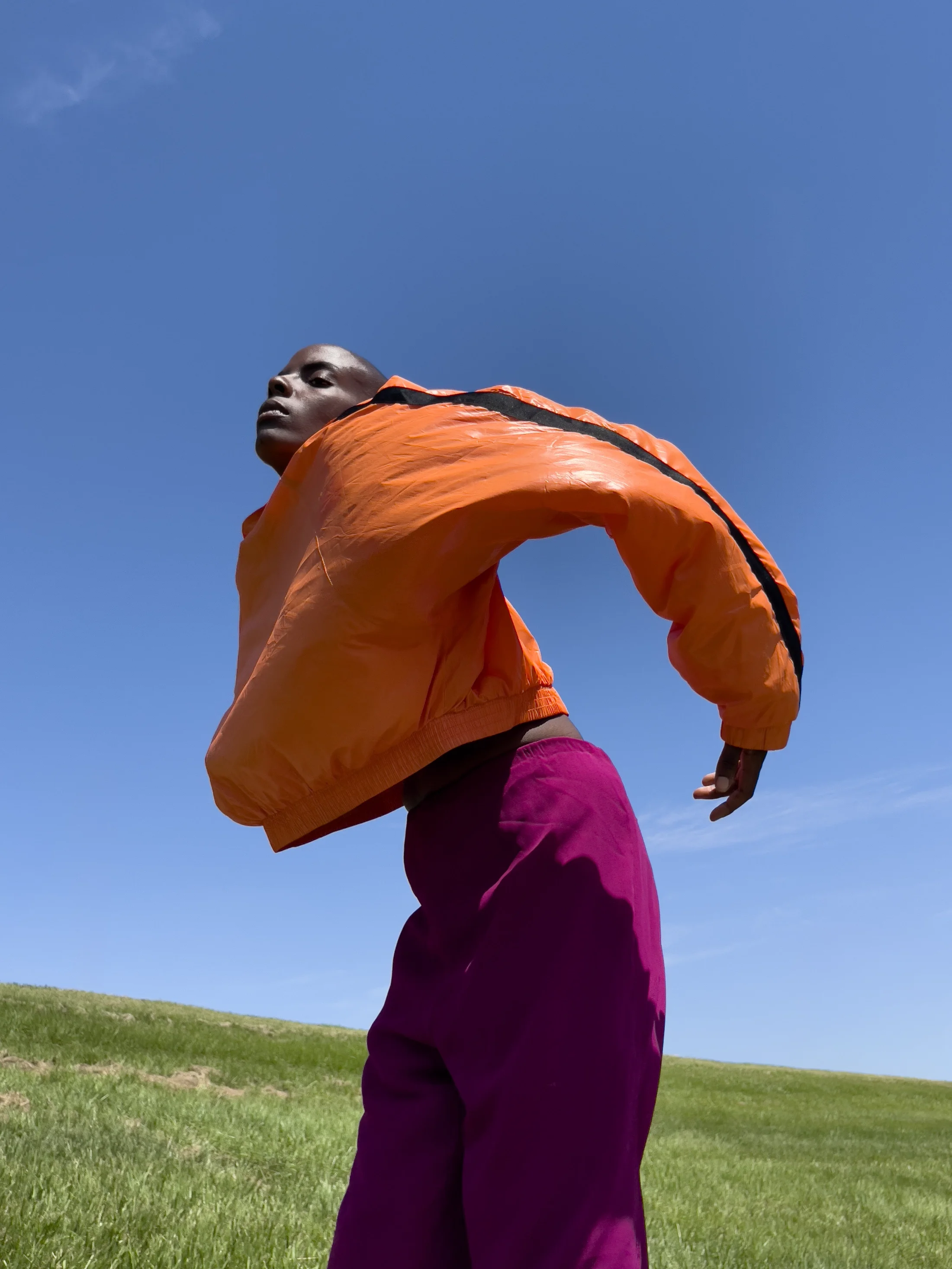
New Orleans, 2021. Arielle Bobb-Willis. This issue’s photographs were chosen for their artistry, human perspective, and emotional depth. While AI can try to mimic and steal their appearance, it cannot replicate lived experience, intuition, or the human truths that make them meaningful. Learn more about this issue’s featured photographer here.
AI is being sold as the future. This issue of Peace & Riot offers a counter-narrative by bringing together the lived experiences of frontline and fenceline communities, sharing critical cultural and political analysis, and tracing the resistance movements taking shape in response to the construction of AI data centers. It examines how these sites are compounding harm in places already burdened by oil, gas, and petrochemical infrastructure, while also driving new forms of polluting infrastructure in others.
As the Co-Founder and Executive Director of Society of Native Nations, an Indigenous-led nonprofit that advocates for the protection and preservation of Indigenous Peoples’ culture, lifeways, knowledge, lands and territories, I’ve been organizing against data centers with my community for the last two years. Where I live in San Antonio, we have six AI data centers being built within an eight minute walk from my front door; and one of these data centers is only a three minute walk from an elementary school. The construction of data centers is not only placing immense pressure on our already strained water supply in Texas, but also pushing families out of their homes because of land grabs by Big Tech.
More and more, we are seeing data center clusters in under-resourced and underrepresented communities. This AI industry-powered construction is part of the same playbook long used by the fossil fuel industry. In my community, many members weren’t even aware of what was being built in their backyards. Projects move forward without meaningful consent or transparency, leaving people to absorb the consequences. On the ground, this looks like rezoning, backdoor meetings, and fire-sale land grabs, while the AI industry spends billions to shape public perception. That’s abusive and violent against our communities.
In 2022, the Human Rights Council declared that access to a “clean, healthy and sustainable environment" is a human right. By permitting industry to prioritize profit over the health and wellbeing of communities, both our government and Big Tech are complicit in the continued violation of human rights.
This is why we need to hold industry, the state, and our governments accountable. We need projects that lead with safeguards for human health and the environment, center data sovereignty, and support both community governance and community wellbeing.
Our hope is that this issue of Peace & Riot will help communities on the ground do just that. From Jai Dulani and Amirio Freeman’s conversation on media justice to Capital B’s study of state surveillance to Julia Luz Betancourt’s reporting on the intersections of AI and ICE, you’ll find resources here for resistance and organizing in the face of extractive AI.
Frankie Orona
Co-Founder and Executive Director of the Society of Native Nations
Environmental liaison for his Tribal Chief Red Blood - Anthony Morales of the Gabrielino Tongva San Gabriel Band of Mission Indians
Advisor, Counterstream Media
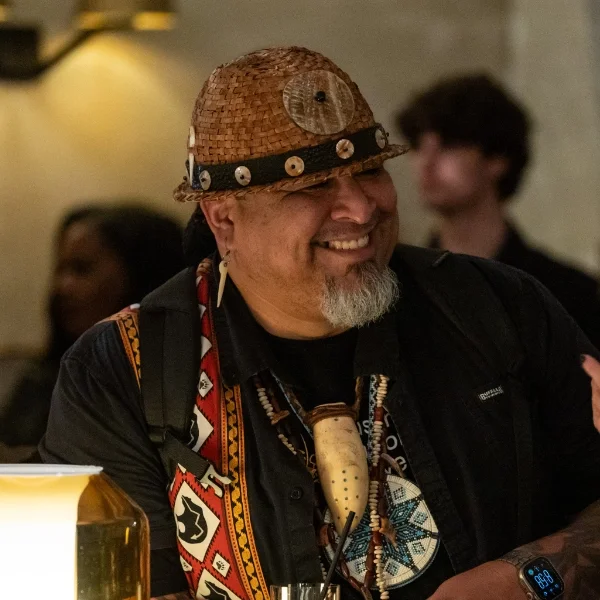
Frankie Oronoa advocates for Native American Indian rights, environmental justice, and social justice issues—helping to protect and preserve Native American Indian spirituality, culture, and way of life. Frankie's passion for advocacy and stewardship of the environment is how he believes we can make a real difference - his way of giving back to Mother Nature for being so generous. Frankie is constantly trying to help other organizations in their efforts to bring awareness and understanding of the inherent rights of Native American Indian People and their culture, spirituality, and history. He believes that by continuing to spread knowledge of Native American Indian ways of life, we can all work together to create a healthier planet. Through his efforts with the Society of Native Nations, he has helped bring awareness to many issues, such as Environmental Justice, Indigenous Rights, and Social Justice.
Peace & Riot is made by real people — not AI.
Journalists, photographers, editors, and contributors doing original reporting from the frontlines.
That work is under threat. Newsrooms are shrinking. AI is training itself on what journalists have already built, and replacing it with something hollow.
Independent, human storytelling is being squeezed from every direction. If you value work built on lived experience, not stolen data — help keep it alive.
Donate to power more issues like this one.