
Summer 2026
Peace & Riot Picks
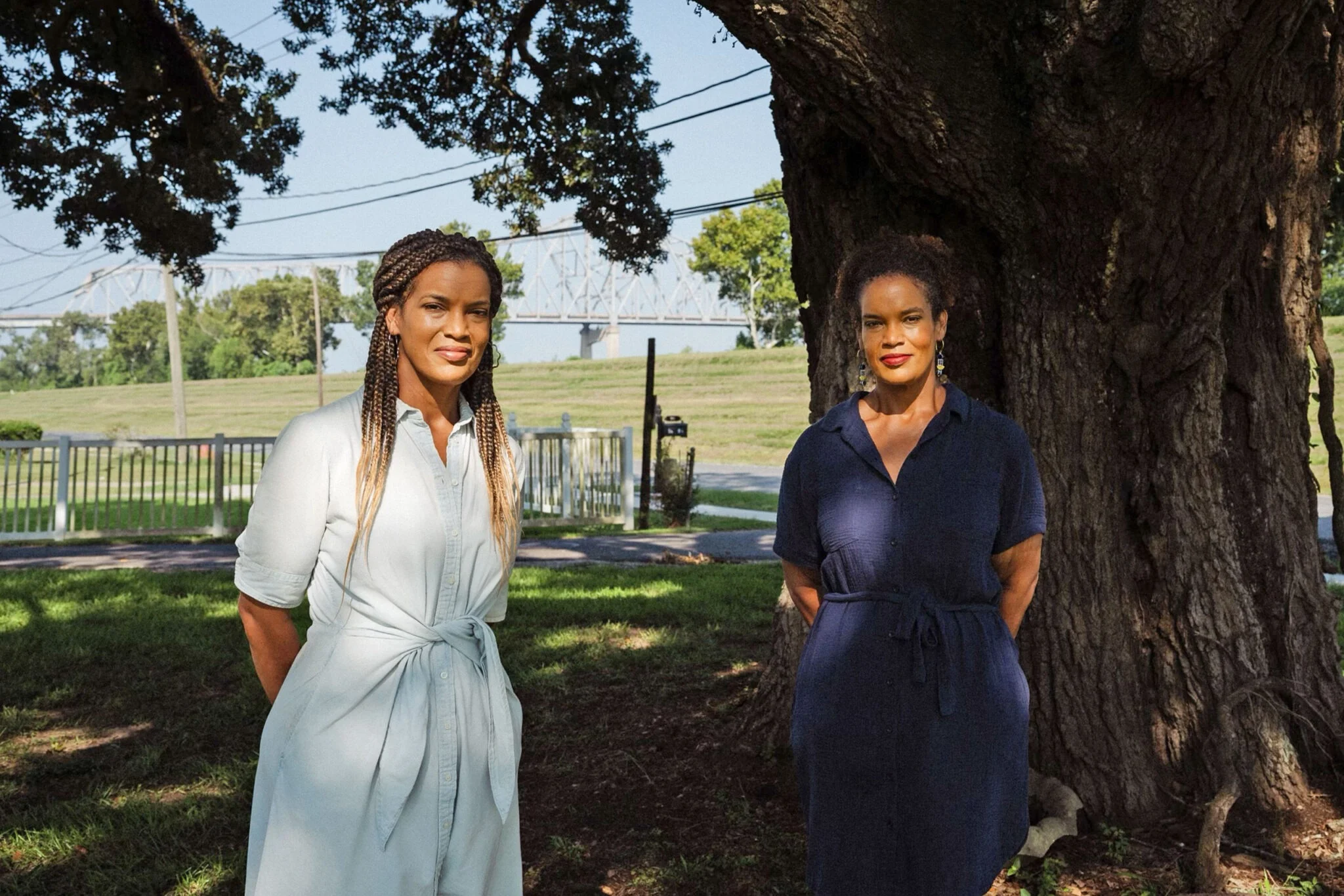
This story was produced by Counterstream Media and co-published with Nonprofit Quarterly as part of the #WeTheCivic national narrative intervention.

FROM Shilpi Chhotray
CO-FOUNDER AND PRESIDENT
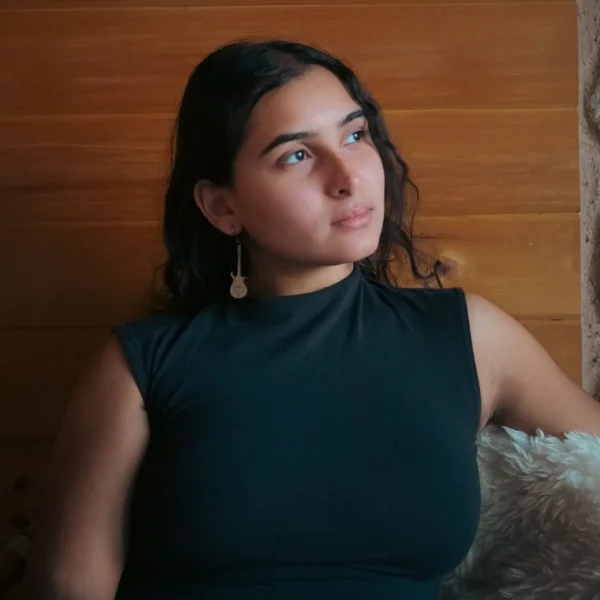
As founders of the non-profit Descendants Project, Jo and Joy Banner have dedicated themselves to preserving the histories of the Black communities tied, like theirs, to the nearby Whitney Plantation. They are featured in SELC’s Plantations to Pollution project.
Plantations to Pollution: Southern Environmental Law Center
I recently sat down with Chandra Taylor-Sawyer, senior attorney and leader of SELC's Environmental Justice Initiative, to discuss their interactive Plantations to Pollution project. She sums up its throughline this way: "The line from plantation slavery to current-day pollution is born from communities establishing themselves as freed people near the plantations where they were enslaved—building lives, building communities—and because of systemic racism, those same communities end up being dumped on."
As the country takes stock at 250, it's a needed reminder that environmental injustice isn't an accident of where plants happen to get built; it's the newest chapter of a much older story, written onto the same land and the same families. A multimedia storytelling series not to miss!

FROM MINDY RAMAKER
HEAD OF CREATIVE
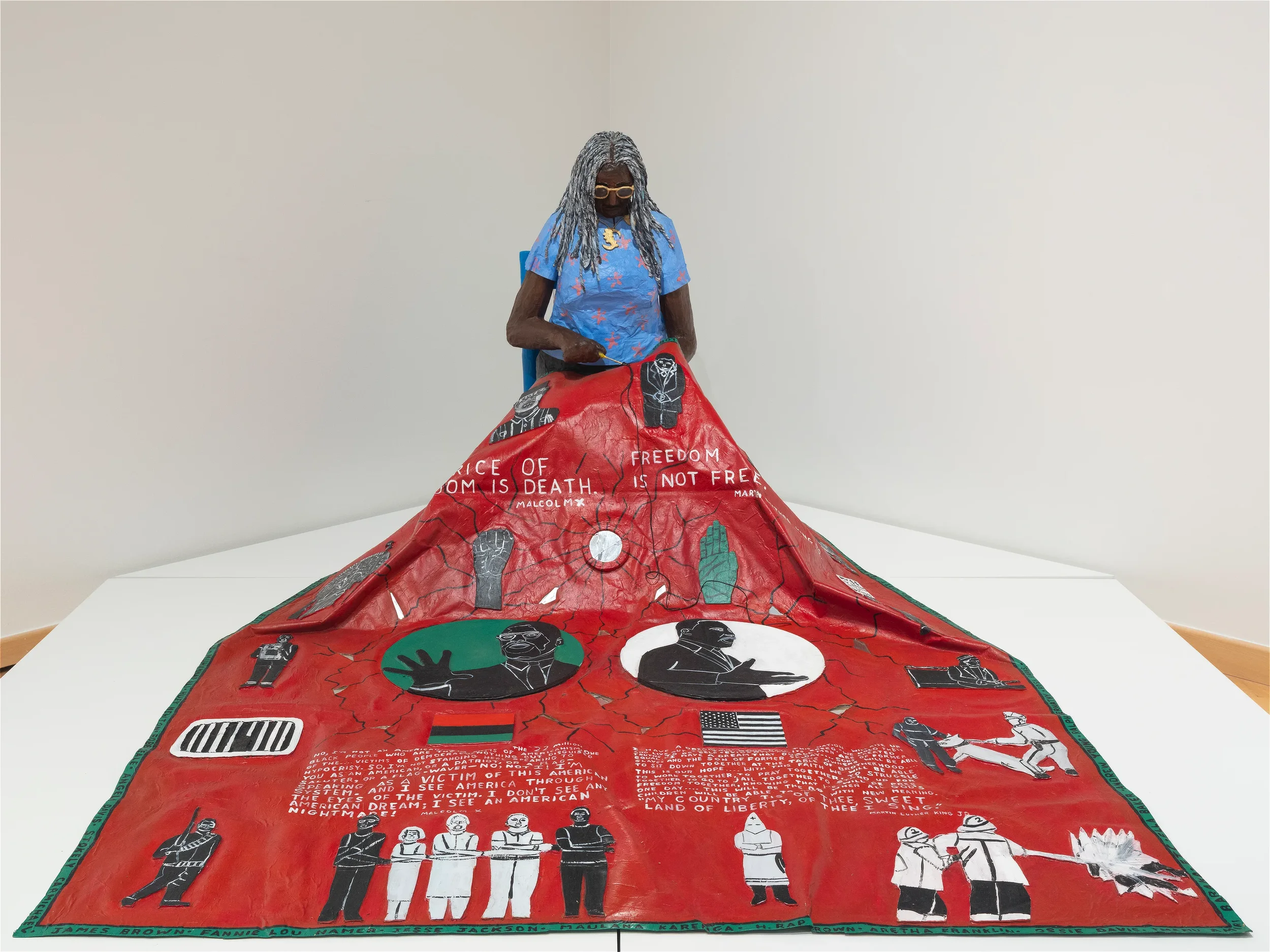
Willie Birch, Memories of the 60's, 1992, papier mâché, mixed media 53 x 93 x 82 inches. Photo by Elon Schoenholz.
On view at the Californian African American Museum in Los Angeles, through October 21, 2026.
This timely exhibition offers a powerful retrospective of influential artist Willie Birch, who is a proud son of New Orleans. Spanning decades of creative output, the exhibition highlights Birch’s distinctive perspective on Black American life. It includes works that collectively engage themes of social justice and Black Southern culture.
Pauline Forlenza, the Director and CEO of the American Federation of Arts says, “His art holds space for contradiction—pain and joy, vulnerability and pride, endurance and resistance. Whether exploring the quiet dignity of his neighbors or the complex history of African traditions in American culture, Birch’s eye is unwavering and empathetic. His works carry the weight of lived experience and the light of cultural celebration.”
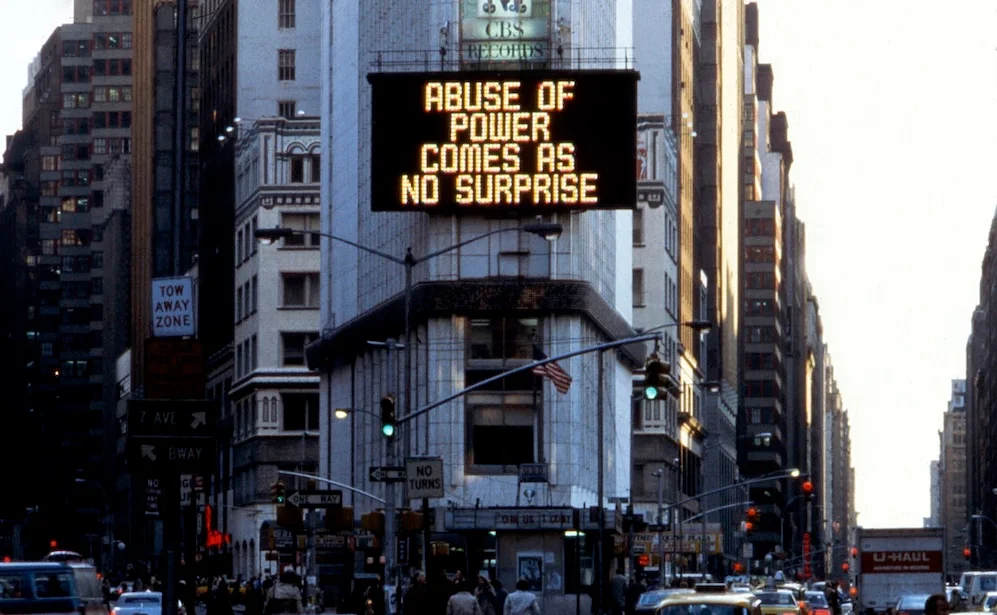
Jenny Holzer, From Truisms (1977–79), 1982, Electronic sign, 20 x 40 ft. Installation: Messages to the Public, Times Square, New York, 1982.
Jenny Holzer is an Ohio-born artist who uses words in public spaces to explore subjects like oppression, violence, propaganda, and politics. She frequently critiques governments, institutions, and abuses of power, often using statements that contradict one another and push viewers to grapple with competing ideas of truth. Her work surfaces the tensions between freedom and control, truth and propaganda.In this moment, marked by the United States’ 250th anniversary alongside escalating authoritarianism, corporate capture, and the normalization of political cruelty, Holzer’s work lands with a sharpened edge. “Abuse of power comes as no surprise” is not just an observation, but an indictment of a broken system.
FROM MARIANELLA NUÑEZ
OPERATIONS DIRECTOR
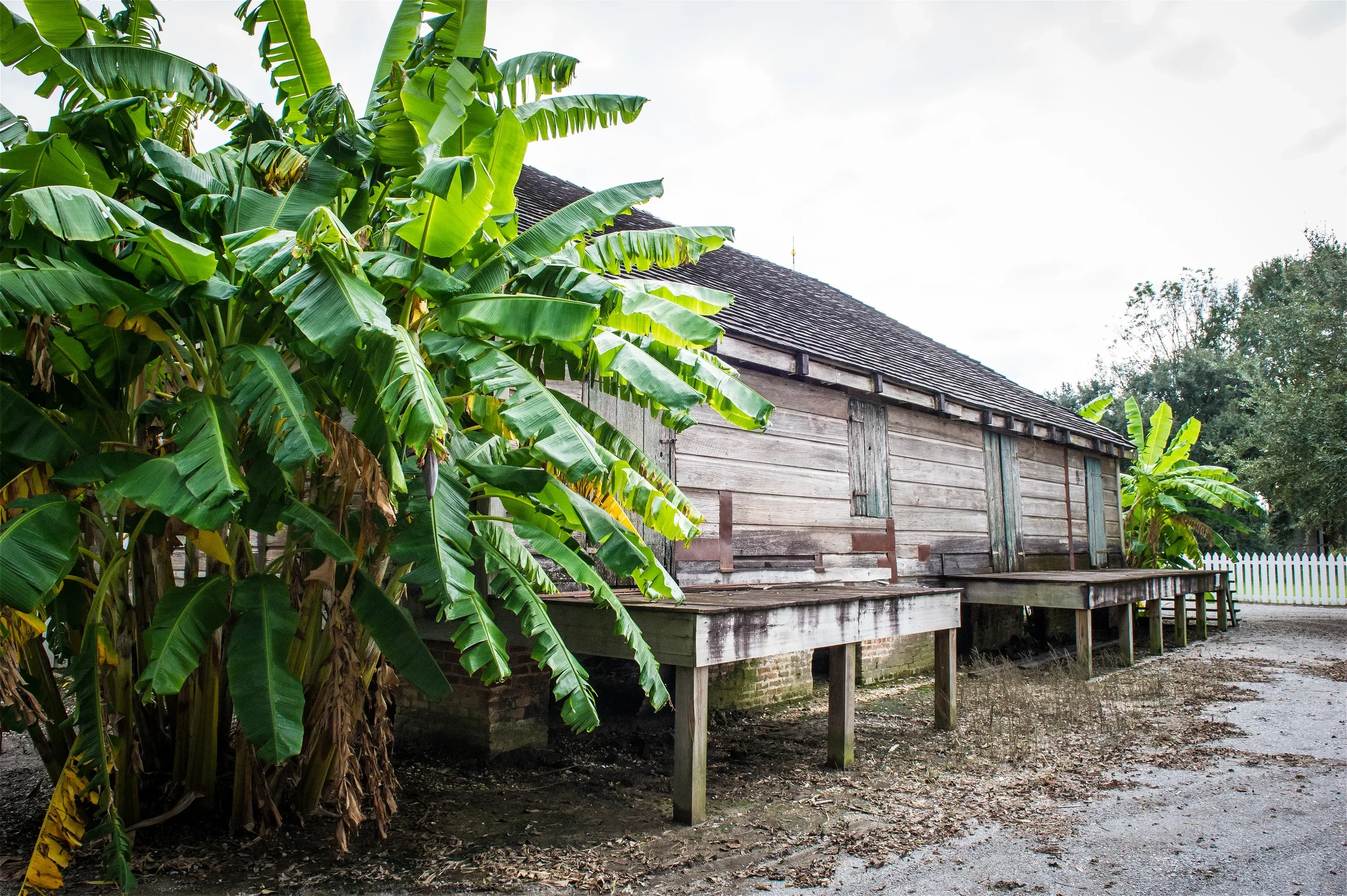
The Whitney Plantation Museum. Photo by Elsa Hahne.
The Whitney Plantation
The Whitney Plantation, in Wallace, Louisiana, preserves the history of a plantation that operated from 1752 to 1975 and offers a vital perspective as the nation marks its 250th anniversary. The site sits within Louisiana's "Cancer Alley," where petrochemical plants built on former plantation lands disproportionately pollute the nearby Black communities. Together, this makes Whitney a powerful lens for understanding how slavery's legacy of land use and racial inequity still shapes environmental justice today.
FROM JULIA LUZ BETANCOURT
ASSISTANT EDITOR
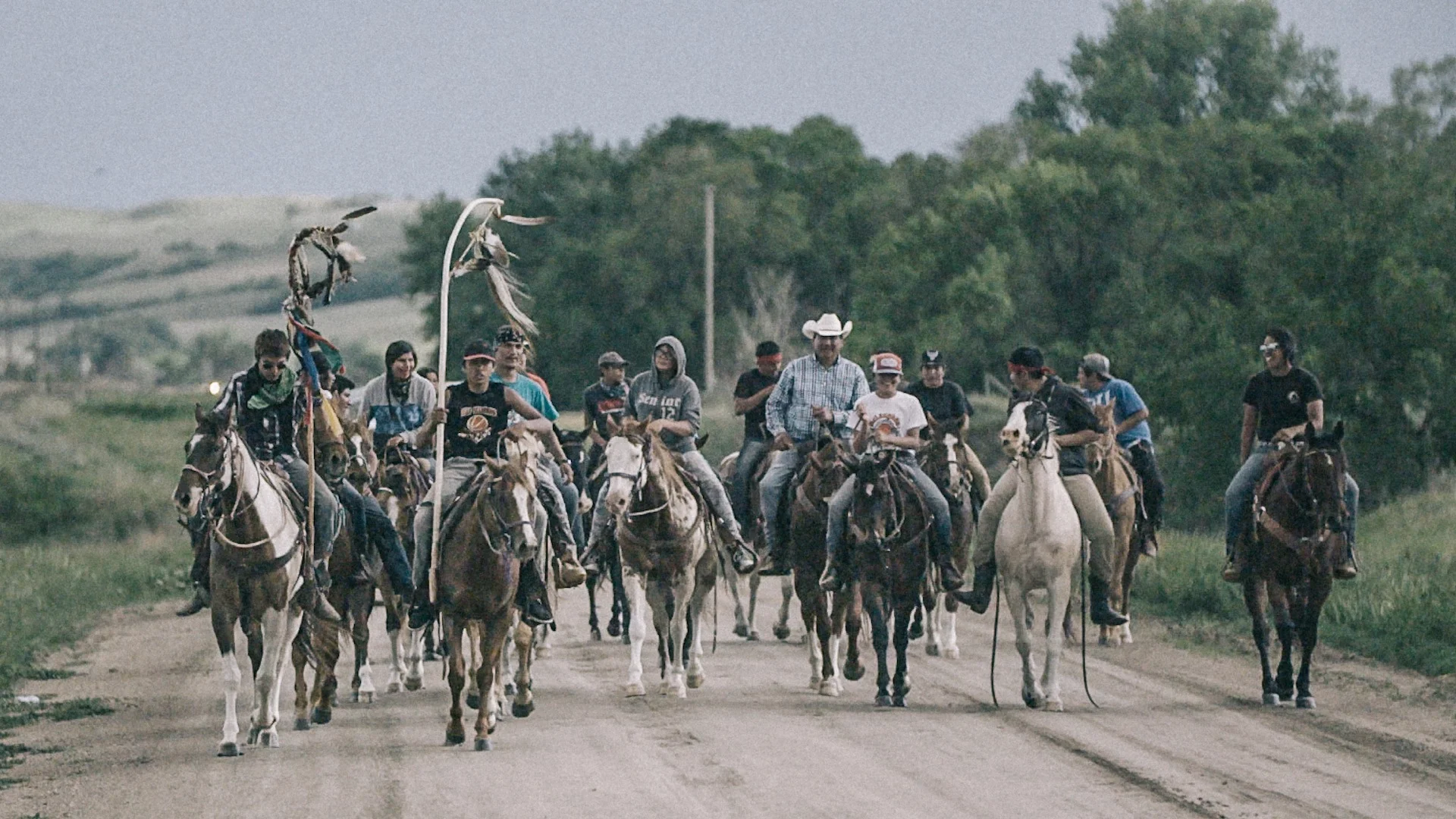
RISE: Sacred Water: Standing Rock
This 2017 documentary series by Viceland was my introduction to the fossil fuel industry as an engine of colonization. Its two-part story, Sacred Water: Standing Rock, brings you to the frontlines of the famous protests against the Dakota Access Pipeline. Like all modern fights for Indigenous sovereignty, these episodes show the stark contrast between the Navajo people and the corporate arm of the country that forcibly surrounded them. Most importantly, it captures what the U.S. government could never take away—our ability to rise up.
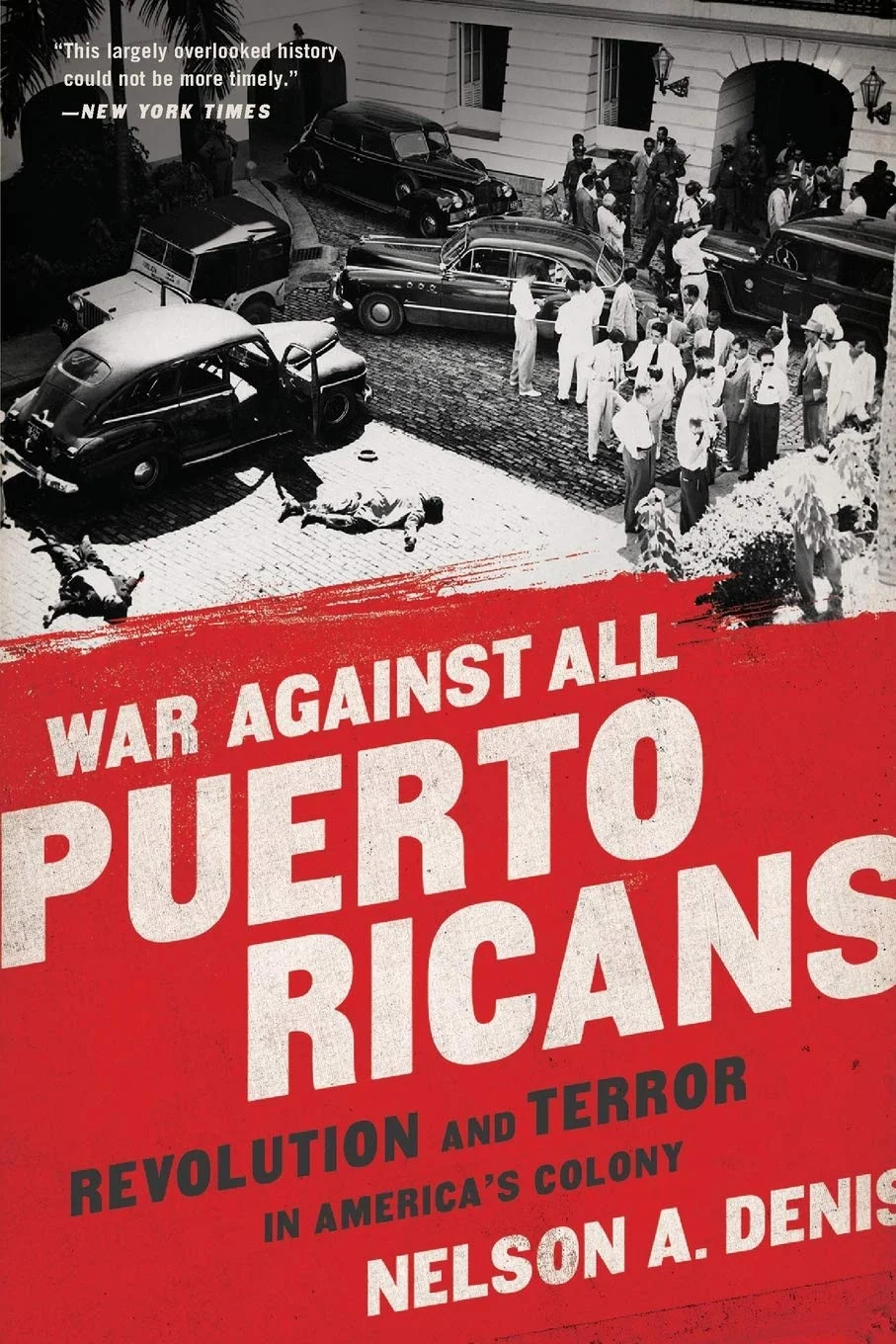
Boricuas know the consequences of ongoing U.S. occupation. Luxury hotel developers threaten our beaches. A faulty and insufficient power grid leave our families without power after hurricanes. Military bases poison our communities. But before the current climate and energy crisis became the main lenses through which Puerto Rico is defined, there were decades of revolutionary struggle. This book shares the true history of the U.S. invasion and colonization of Borinquen and a 1950 armed uprising that was the first time the U.S. bombed its own citizens.
FROM KATE WEINER
PEACE & RIOT EDITOR
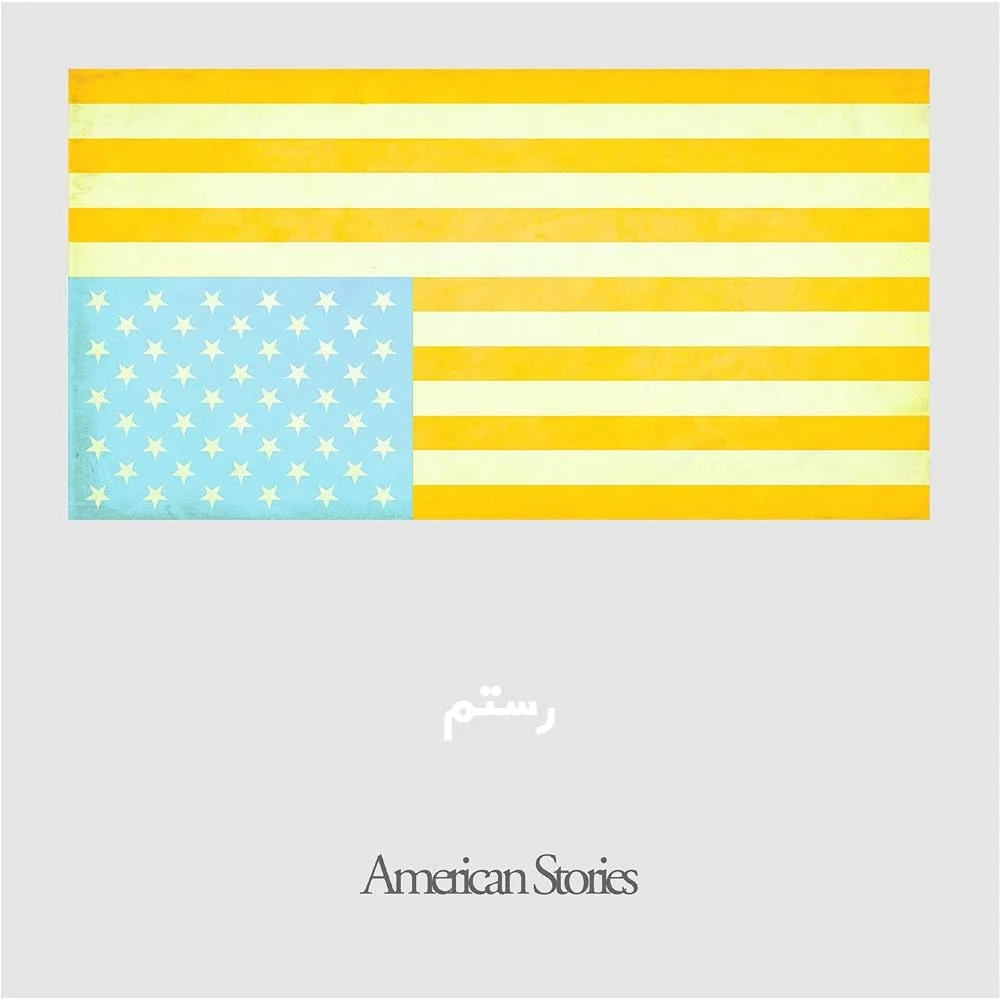
Through braiding together “Persian and American folk instrumentation,” Rostam’s third solo album is an expansive study in the stories that shape us. As Molly Mary O’Brien writes for Pitchfork: “The cover art is a faded, upside-down American flag, with Rostam’s name rendered, as it was on the covers of his past two albums, in Arabic script. The literal inversion of the flag suggests a figurative inversion of expectations…” Consider Rostam’s songs a soundtrack for scrolling through this issue; I especially loved “The Weight” for the ways in which it celebrates the labor and love of organizers.
Storytelling that challenges America’s colonial roots
Peace & Riot brings you stories from the frontlines.
From the activists who pioneered the modern environmental justice movement, to the Indigenous organizers defending their sacred lands, to the agricultural laborers fighting for dignity—we’re a home for the people and movements that have always pushed this country closer to its ideals.
Keep our work alive with a donation of any size.