SPRING 2026
LETTER FROM PEACe & RIOT
Who pays the price of powering the digital world?
By Frankie Orona

New Orleans, 2021. Arielle Bobb-Willis. This issue’s photographs were chosen for their artistry, human perspective, and emotional depth. While AI can try to mimic and steal their appearance, it cannot replicate lived experience, intuition, or the human truths that make them meaningful. Learn more about this issue’s featured photographer here.
This issue of Peace & Riot focuses on communities resisting, reclaiming, and redefining power in the face of extractive AI.
As the Co-Founder and Executive Director of Society of Native Nations, an Indigenous-led nonprofit that advocates for the protection and preservation of Indigenous Peoples culture, lifeways, knowledge, lands and territories, I’ve been organizing against data centers with my community for a couple of years. Where I live in San Antonio, we have six AI data centers being built within an eight minute walk from my front door; one of these data centers is only a three minute walk from an elementary school. The construction of data centers is not only compounding our water crisis in Texas, but also pushing families out of their homes because of land grabs by Big Tech.
More and more, we are seeing data center clusters in under-resourced and underrepresented communities. This is part of the AI industry's strategy. In my community, for example, many members weren’t even made aware of what was being built in their backyards. Through rezoning, backdoor meetings, and buying land, the AI industry is manipulating public perception. That’s abusive, and violent against communities.
In 2022, the Human Rights Council declared that access to a “clean, healthy and sustainable environment" is a human right. By permitting industry to prioritize profit over the health and wellbeing of communities, both our government and Big Tech are complicit in the continued violation of human rights.
This is why we need to hold industry, the state, and our governments accountable. We need projects that lead with safeguards for human health and the environment, center data sovereignty, and support both community governance and community wellbeing.
Frankie Orona
Co-Founder and Executive Director of the Society of Native Nations
Environmental liaison for his Tribal Chief Red Blood - Anthony Morales of the Gabrielino Tongva San Gabriel Band of Mission Indians
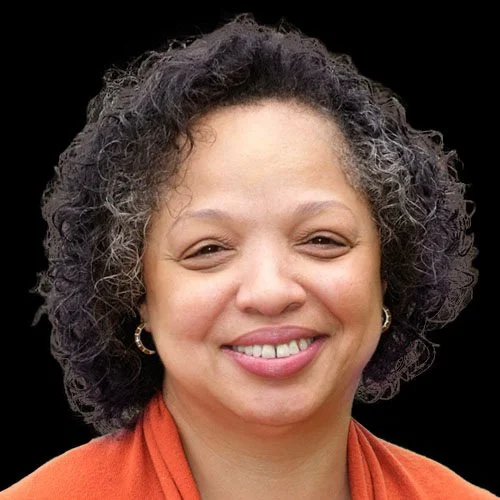
Frankie Oronoa advocates for Native American Indian rights, environmental justice, and social justice issues—helping to protect and preserve Native American Indian spirituality, culture, and way of life. Frankie's passion for advocacy and stewardship of the environment is how he believes we can make a real difference - his way of giving back to Mother Nature for being so generous. Frankie is constantly trying to help other organizations in their efforts to bring awareness and understanding of the inherent rights of Native American Indian People and their culture, spirituality, and history. He believes that by continuing to spread knowledge of Native American Indian ways of life, we can all work together to create a healthier planet. Through his efforts with the Society of Native Nations, he has helped bring awareness to many issues, such as Environmental Justice, Indigenous Rights, and Social Justice.
Peace & Riot is a nonprofit publication and free to read.
We believe access to movement-rooted storytelling should remain open and accessible.
But sustaining this publication requires sustained funding.
If you value independent storytelling that uplifts frontline voices, honors lived experience, and strengthens cultural resistance, please consider supporting our work with a tax-deductible donation.
Your contribution helps sustain the journalists, editors, artists, and storytellers who make this digital zine possible — and ensures Peace & Riot remains a platform for connection, truth, and creative expression.
Support Peace & Riot today.
This issue of Peace & Riot was made possible with support from