
SUMMER 2026
The Answer is in the Hills
Sacred Resistance in Pe' Sla
Shilpi Chhotray in conversation with Robert Harold Bordeaux
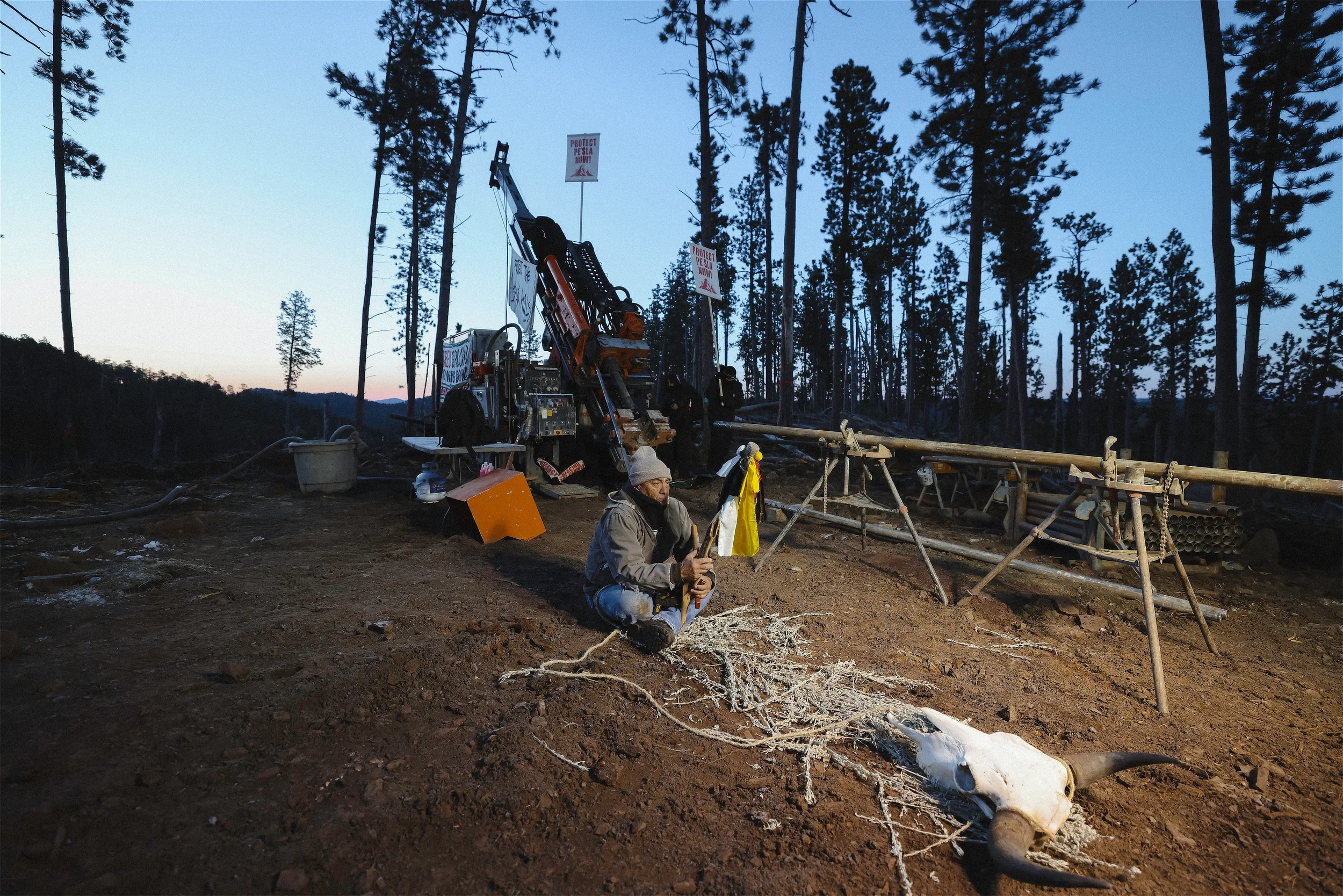
Photography by Angel White Eyes.
This story was produced by Counterstream Media and co-published with Nonprofit Quarterly as part of the #WeTheCivic national narrative intervention.
Robert Harold Bordeaux is a Sičáŋǧu Lakota poet, author of the collection Prairie Bones, and co-founder of the Black Hills Writers Collective. He grew up far from his Lakota family, in a small, conservative town in eastern South Dakota, and found his way home to the Ȟe Sápa only in the last few years—a journey his poems trace. These days, much of his work lives in media and storytelling, shifting how the Black Hills are understood in the fight to protect them.
I came to South Dakota to report a chapter of my forthcoming book, which maps how the climate crisis in this country is increasingly being decided through land—the permits, the pipelines, the sacred sites, and the communities asked to absorb the cost. But it's just as much a book about what those communities do in return: the organizing, the resistance, the wins. Here in the Ȟe Sápa, that meant an improbable, hard-won victory this spring, when a coalition of Tribes and organizers stopped a mining company from drilling near Pe' Sla—the prairie the Lakota call the heart of everything that is. In a year the country spent celebrating 250 years of itself, I wanted a Lakota perspective on what this land actually is, and what it means to still be fighting for it.
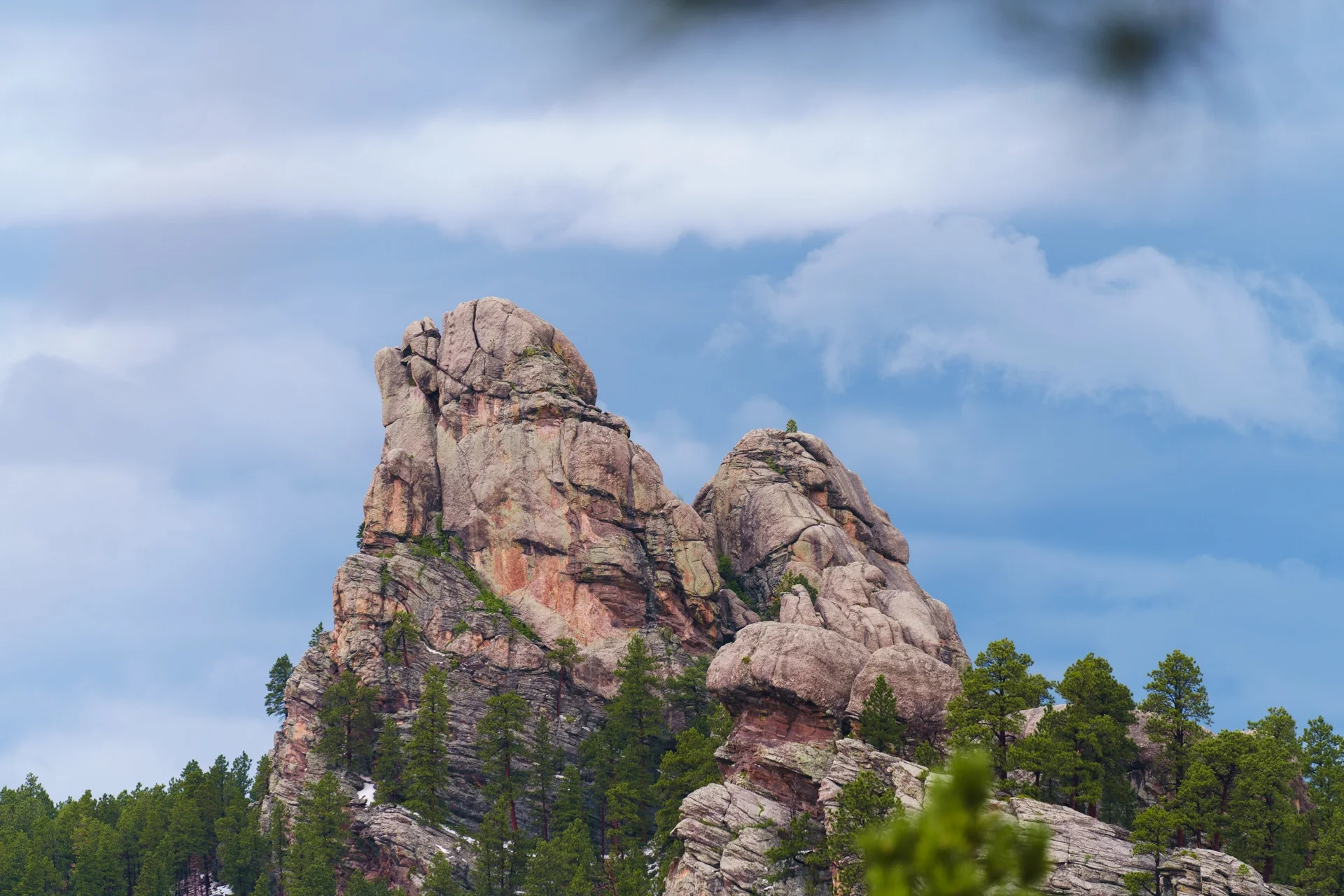
We met on a hot July morning, days after the country's 250th, at a shaded overlook in the Black Hills—the rolling limestone cliffs, a forested canyon, and the Rapid Creek river below us. Robert brought me tea just the way I like it—black with steamed milk —and I brought bay nut chocolate from home, Oakland, on Ohlone land. We talked about what it means to belong to a place, the fight to protect Pe' Sla, and why he believes the Lakota are, in his words, infinite.
This conversation has been edited for length and clarity. It was conducted July 7, 2026, in the Ȟe Sápa (Black Hills), South Dakota.
Photography by Willi White.
Shilpi Chhotray: You picked this spot for us, and I can see why. There's an enduring perseverance to the Ȟe Sápa that's really struck me since I've been here. Given your work with Prairie Bones, which traces your way home—piecing together your relationship with your ancestors and the land—what does a place like this hold for you?
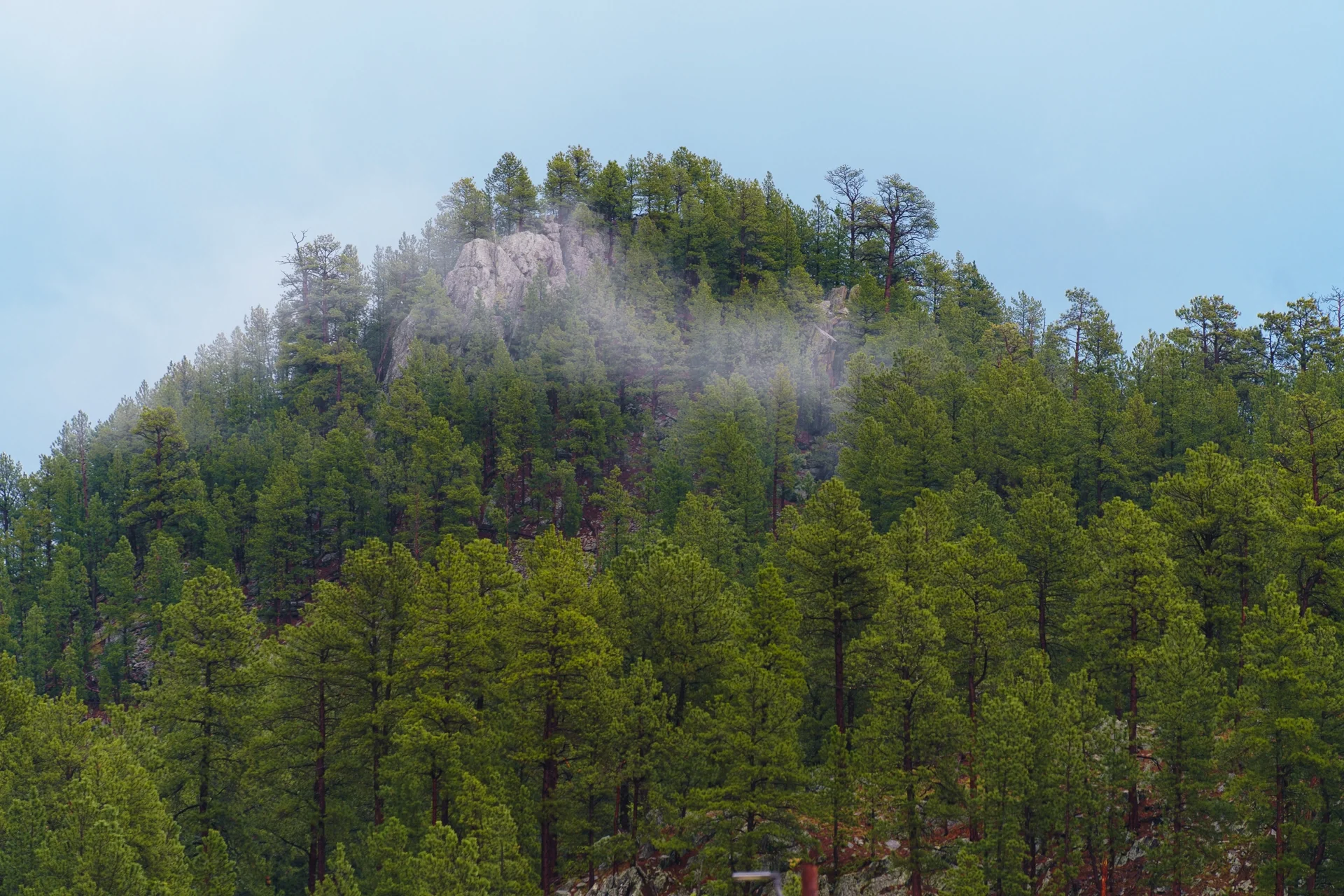
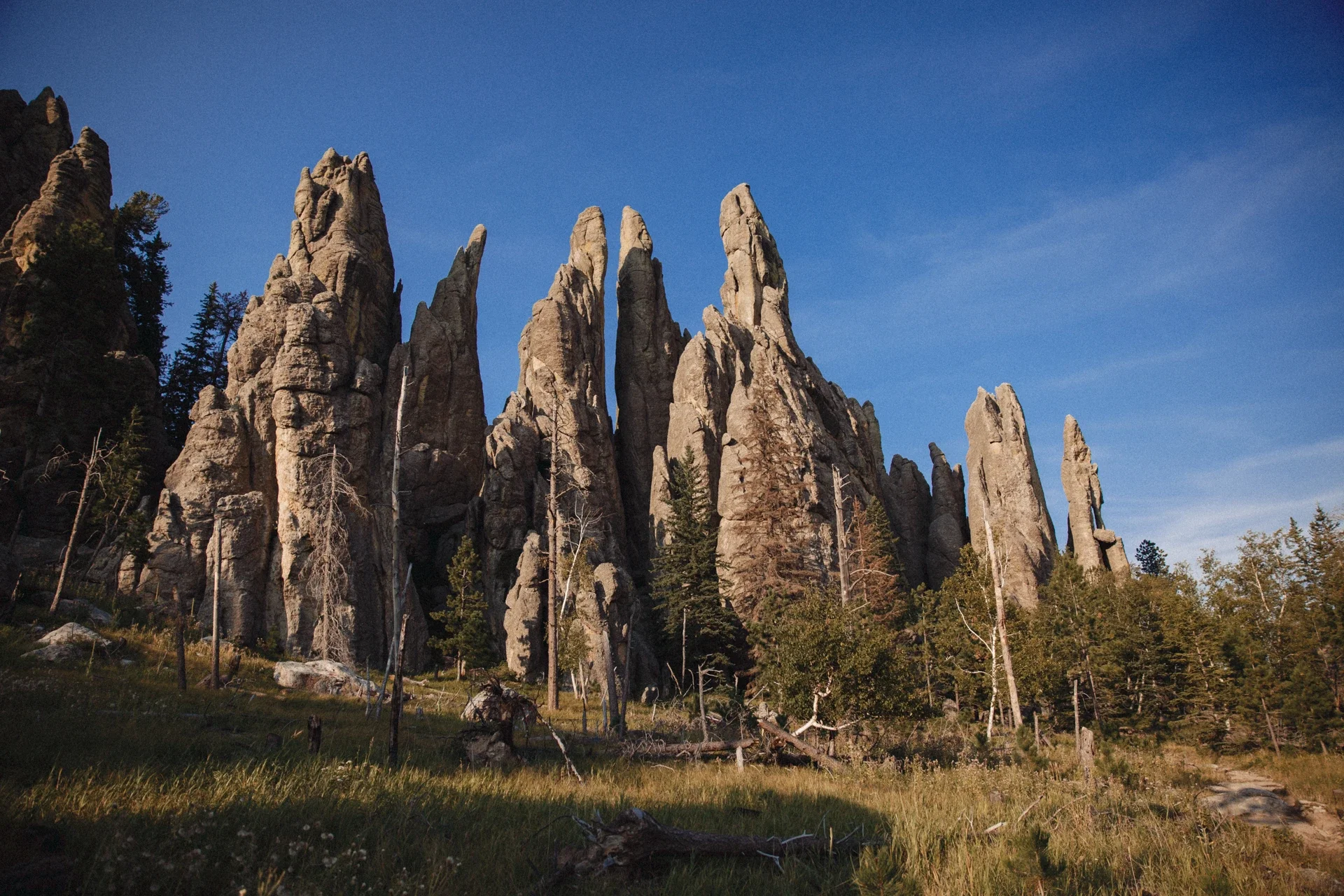
Robert Bordeaux: It's one of my favorite spots, because it encapsulates everything—the Ȟe Sápa, the rolling hills, the water, everything we're fighting to protect. There's this vastness, but also a quietness. There's a power to it—powerful, but soft. That's what the Hills feel like to me: safe, but also powerful.
Shilpi Chhotray: So when you say the land traces you home—what do you mean when you say it remembers you?
Robert Bordeaux: Especially with the blood ties here, it just knows you—it remembers you. I feel held. It's like a long-lost friend, or a long-lost relative, which has really been my journey, coming home. In places like this I just hear them: this is home. You feel it inside. Everything calms down. The nervous system calms. I never experienced that until I came here.
“It’s like a long-lost friend, or a long-lost relative. In places like this I just hear them: this is home.”
Shilpi Chhotray: In Lakota tradition, that bond to a place is even more literal than metaphor, isn't it?
Robert Bordeaux: There's a lot of ceremony around the connection to land—even to where you're born. There are ceremonies where your umbilical cord is buried where you were born, because of that deep connection, and how the land holds you. It's really rooting.
Photography by Willi White.
Shilpi Chhotray: That reminds me of one of your poems in Prairie Bones called "My Ancestor's Tongue," where the third and final section is written entirely in Lakota. Lakota, like most Indigenous languages, was systematically suppressed for generations through federal boarding schools designed to strip Native children of their culture. What was it like to write your way into the language?
Robert Bordeaux: It's such an honor to use Lakota in my work. I love using it when I'm interacting with the world around me—even just seeing a deer and saying the word for it. Because it remembers. I'll say it to a deer, like, that's me—and it's heard that name for generations. And there's a heaviness attached to it too, because of the colonization and the language loss in our communities.
Shilpi Chhotray: You have this beautiful framework about names, too—that a Lakota name and a colonizer's name do opposite things.
Robert Bordeaux: Lakota thought leans one way; colonizers claim the other. A colonizer's name is about ownership—this is Custer's, this is Harney's Peak, a claim. But the original names describe the place and leave it to be what it is. Harney's Peak we call Hiŋháŋ Kaǧa—the place where owls are made. Custer's Last Stand we call the Battle of the Greasy Grass, where the grass was shimmering. The Six Grandfathers¹— that's what Mount Rushmore was—were six pillars in the rock. The name leaves the identity of the space to be what it is. It doesn't take ownership of the land.
“The name leaves the identity of the space to be what it is. It doesn’t take ownership of the land.”
Shilpi Chhotray: Speaking of Rushmore, just a few days ago, Trump was standing right here in the Black Hills—on the very land the Supreme Court ruled was illegally seized —and calling the idea that we live on stolen land a "Marxist lie” and mocked those who "tell our children that we live on stolen land." What did you make of that?
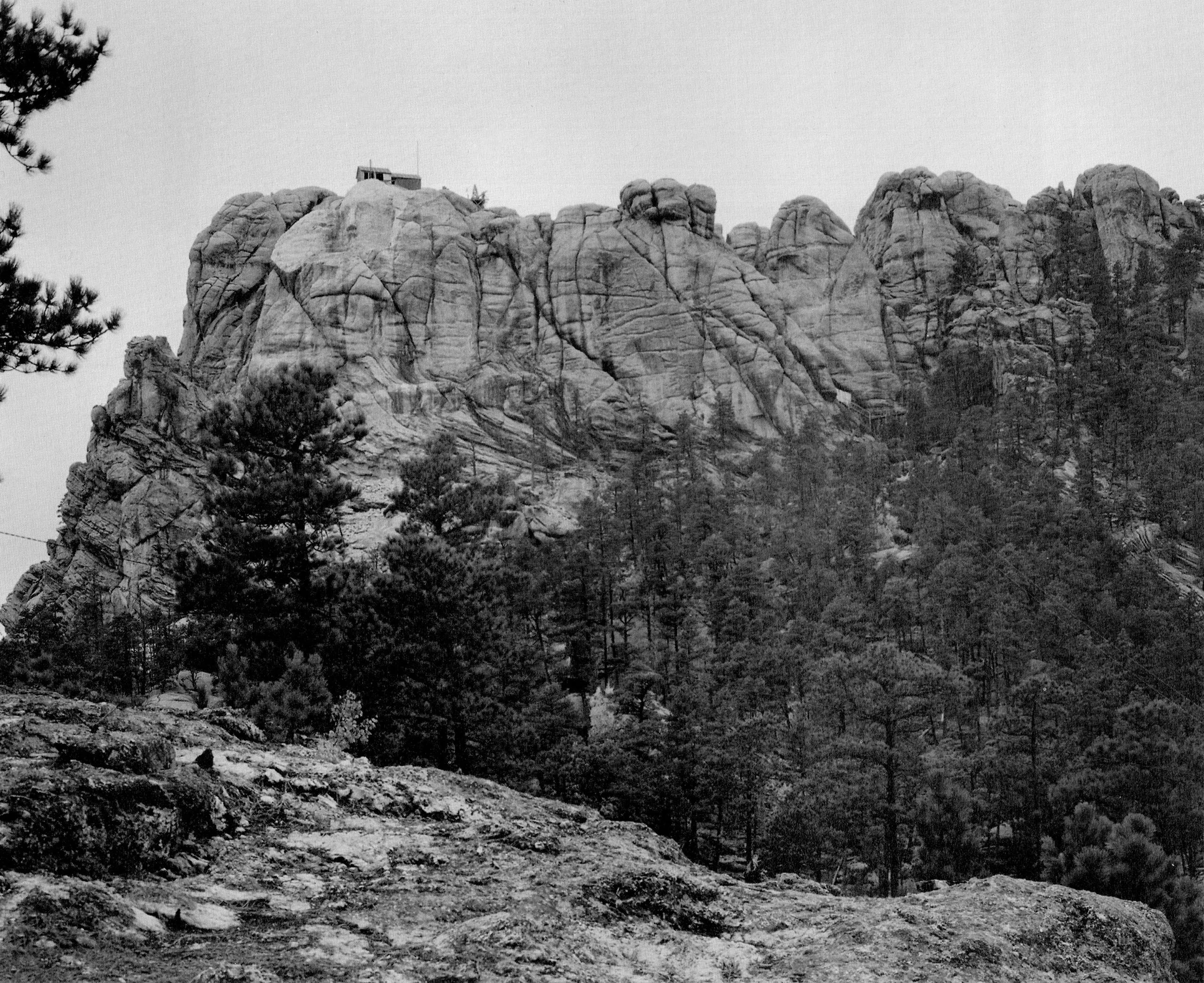
The Six Grandfathers before construction of Mount Rushmore was complete. The face of George Washington is first beginning to appear (top left), c. 1930s. Bill Groethe.
Robert Bordeaux: I was screen-recording it, because I figured he was going to say something stupid and I was going to clip it. And he did. And this mountain was the Six Grandfathers long before it was ever Mount Rushmore—which was carved by a Ku Klux Klan sculptor, Gutzon Borglum. There's a huge statue of him up there, and people take pictures with it. You've got Washington and Jefferson, who enslaved people; Lincoln; Teddy Roosevelt, who's quoted saying "the only good Indian is a dead Indian." It's a shrine to that.
Shilpi Chhotray: That reminds me of what Nick Tilsen, the Founder and CEO of NDN Collective, told me on A People’s Climate, that it’s "an international symbol of white supremacy."
Robert Bordeaux: A hundred percent. In modern-day Germany, the shrines to genocide have been torn down—they teach that history in the schools. But with America and its relationship to the Native people here, they romanticize and glorify it instead. And then they carved four colonizers' faces into a mountain that was already named for its faces—the six pillars, the Six Grandfathers. It's crazy. It's so ugly.
“This mountain was the Six Grandfathers long before it was ever Mount Rushmore—carved by a Ku Klux Klan sculptor. It’s a shrine to that.”
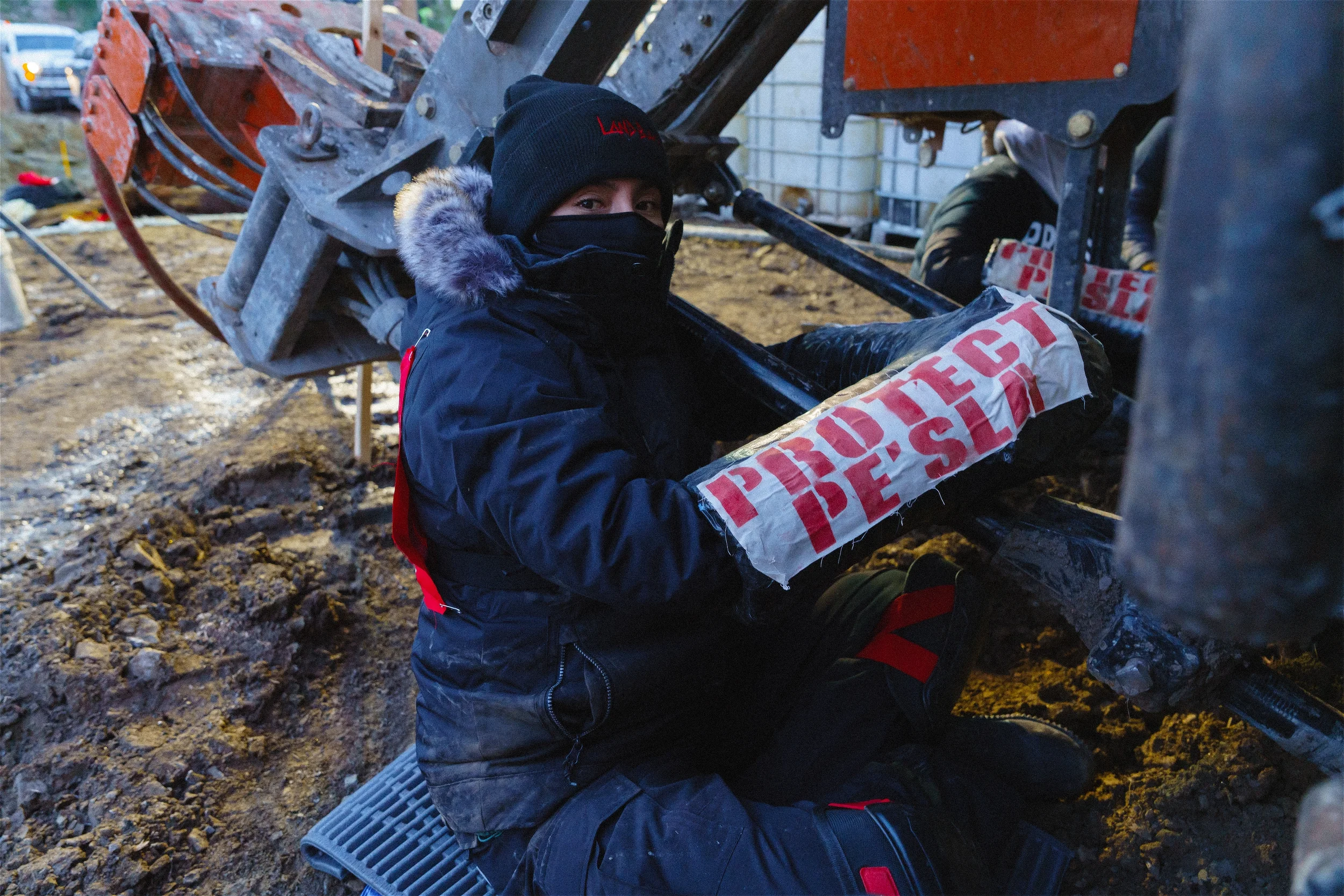
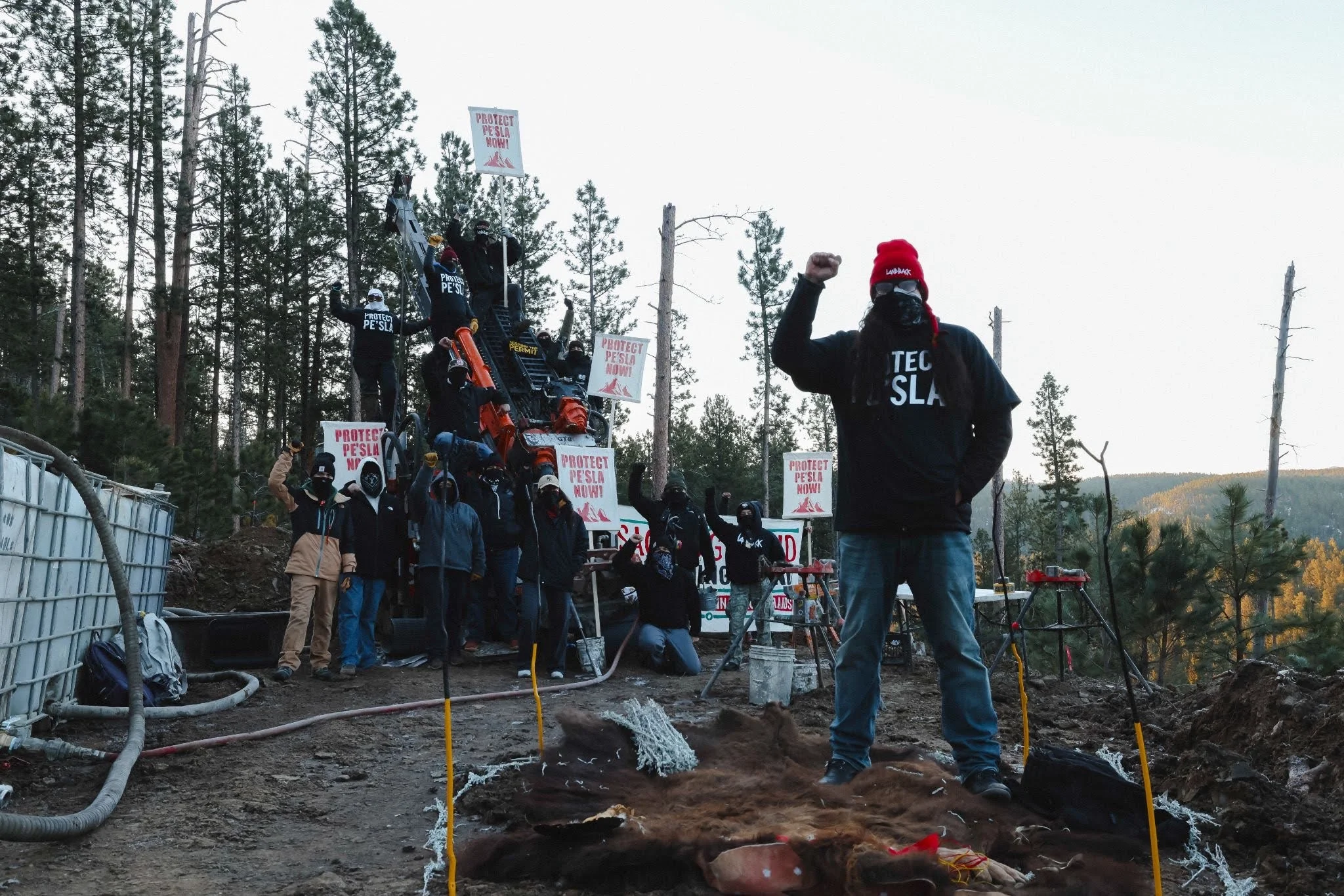
Shilpi Chhotray: This legacy of attempting to erase Native history, culture, and lands in the context of the American settler colonial project is relevant to a lot of environmental justice fights happening right now. Let's dig into the recent fight that brought all of this to a head. In February 2026, the U.S. Forest Service approved graphite drilling near Pe' Sla—the high prairie at the center of the Black Hills that the Lakota call the heart of everything that is—through a "categorical exclusion" that waived environmental review. Within weeks, nine Tribes and groups, including NDN Collective, had filed suit and occupied the active drill pads. By early May, the mining company withdrew the project permanently.
How did you end up in the fight for Pe' Sla?
Photography by Angel White Eyes.
Robert Bordeaux: When I moved out here, I started doing a lot of media work protecting the Hills—mostly around anti-mining. This one in particular was for graphite. But there's uranium, lithium, gold—it's all in the ground here. A lot of these companies are foreign conglomerates that tap into local outfits and use them, riding the 1872 Mining Act and a gutted environmental review to fast-track these things through.
Shilpi Chhotray: And Pe' Sla isn't just any piece of land—it’s deeply spiritual and a ceremonial site for the Lakota people, akin to a church.
Robert Bordeaux: Absolutely. Pe' Sla means "bald spot"—it's this wild prairie in the middle of the Hills, and you can see it on a map because of that. We welcome back the thunders at Black Elk Peak, and then a few months later, as the plants have started to grow, we travel to Pe' Sla to give thanks to the plants that are now growing, and to the animals. We still do ceremony out there. We bring the youth from the rez out there.
Shilpi Chhotray: Honestly, I was holding my breath the whole time I read about the occupation—in this administration, I kept thinking, I hope everyone's okay. And then the organizing and prayers worked, and fast. What was that experience like?
Photography by Willi White.
Robert Bordeaux: We rolled in there ready to throw down, and then we blocked everything off—and we realized, oh, they actually can't get to us. It was supposed to be one day, to make a statement, and it went so well we decided to stay. And the whole thing was days—I don't think it even went a week. Prayer and ceremony were the center of it. That's the greatest example I've been part of: how everyone moved through it, how it worked.
“It was supposed to be one day, to make a statement, and it went so well we decided to stay… Prayer and ceremony were the center of it.”
Shilpi Chhotray: Here's the question I keep coming back to, and I think it's the one we don't ask enough: the mine was for graphite, sold as a clean energy mineral, and the primary material in lithium-ion batteries. What do you make of a drill on sacred land calling itself a climate solution—is this just green capitalism, the same extraction with a new name? And if so, what's the way out?
Robert Bordeaux: I don't have full answers—I don't think anyone does. But capitalism drives consumerism in a way that's obviously unsustainable, and a lot of the resources we're drilling for already exist. If we focused on recycling, on reprocessing the old batteries already in cars—how do we steward what's already been pulled from the earth, for better or worse? And while we shift those systems, this land can provide everything we need. Bring the buffalo back, like we're fighting for. The medicines and food you can just walk into the hills and gather. The answer is right here.
Photography by Angel White Eyes.
Shilpi Chhotray: That's it exactly—and it's why I keep pushing the message that Land Back belongs at the center of climate conversations, even though a lot of folks in the environmental movement don't like hearing it. A lot of our readers are non-Native, so I want to be clear: Land Back is a sophisticated climate strategy.
Robert Bordeaux: Definitely. I think about Land Back as a restored relationship. Everyone who lives here—Lakota or non-Native—has a duty to the land they call home, and part of that duty is how you view it. The shift into "this land is our relative" changes the decisions you support. I'm a writer, so I focus on that narrative shift. It seems small, but flesh it out: if this land is a relative, and it's feeding me—then I don't want a mine over there. It becomes very simple. The colonial settler energy in conservation spaces is tough. People say "protect the parks," but the public-land system was "we're taking this land — get off of it."
“The shift into ‘this land is our relative’ changes the decisions you support.”
Shilpi Chhotray: And there's a concrete version of that in the works, isn't there?
Robert Bordeaux: The Sacred Ȟe Sápa Restoration Act—decentralized and Tribally-led. It's legislation to return the public lands in the Black Hills to the Tribes. Every Tribe in South Dakota supports it, and it's hard to get all of us to agree on anything. The only way to return public land is through Congress, so it has to go through Congress—which is tough under this administration. But it's beautiful, because we're not just talking about Land Back anymore. This is what it could actually look like.
Shilpi Chhotray: Exactly. The Land Back movement is both about the return, repair, and reclamation of land, but it’s also about a larger perspective shift in our understanding of liberation. I noticed you're wearing a Free Leonard Peltier shirt². What did his freedom mean to you, and to this land?
Photography by Willi White.
Robert Bordeaux: Growing up, I heard the stories about Leonard, and as I got older I understood the fight to bring him home. It always felt far out—something we dreamed of, like Land Back itself. To me, Land Back and Leonard were synonymous: getting our relatives back where they belong. I was with NDN when we brought him home, so I got to be there, and I met him. It was a very spiritual experience. I was riding with an elder in the procession—it was negative twenty degrees—and he turned to me and said, "This is the first time I've been in a procession that wasn't a funeral." That sat with me—beautifully heavy. And weeks before, I'd had a dream that the announcement came and people were dancing. I didn't tell anyone; I didn't want to jinx it. Then we're driving him home, and there are people dancing, drums out in the cold. And I thought: there it is.
“He turned to me and said, ‘This is the first time I’ve been in a procession that wasn’t a funeral.”
Shilpi Chhotray: I have goosebumps. People swore his return would never come in our lifetime—and here he is, home. Leonard, then the win at Pe' Sla. So let me ask you, days after the 250th: is this mourning, a beginning, or both?
Robert Bordeaux: A beginning. There's this renewed "day one" feeling—not another 250, but day one of the next 250 years. Our people are strong. I say it—to the last Lakota still standing—this is Lakota land. Our people are infinite. Being here, with the land, chose me, and it teaches me that. We're not going anywhere. People used to joke we'd get the Black Hills back before Leonard got out. And he's out. So it's time for the Hills.
¹ The Six Grandfathers Mountain represents the six spirits of the six directions (North, South, East, West, Above, Below).
² Leonard Peltier, the American Indian Movement activist imprisoned for nearly five decades over the 1975 deaths of two FBI agents—a conviction supporters have always called a frame—was released to home confinement in early 2025. You can learn more about the movement to bring him home here.
Read a poem from Robert Harold Bordeaux on Leonard Peltier’s release here.

Shilpi Chhotray (she/her) is a journalist, podcast host, and forthcoming OR Books author covering environmental justice, climate politics, and the communities challenging systems of power. She is the Co-Founder and President of Counterstream Media, host of Webby-nominated A People's Climate with The Nation, and executive producer of Peace & Riot.
Her reporting draws on nearly 15 years of experience spanning environmental science and policy, strategic communications, and movement organizing. She specializes in long-form interviews with frontline organizers, movement leaders, social justice scholars, and legal experts working on climate and environmental issues across the United States and internationally—exploring how communities reshape public conversations about climate and democracy.
Her writing has appeared in The Guardian, The Nation, Prism, and Nonprofit Quarterly, and her commentary has been featured by ABC, NBC, NPR, BBC, Rolling Stone, Al Jazeera, Newsweek, and KQED.
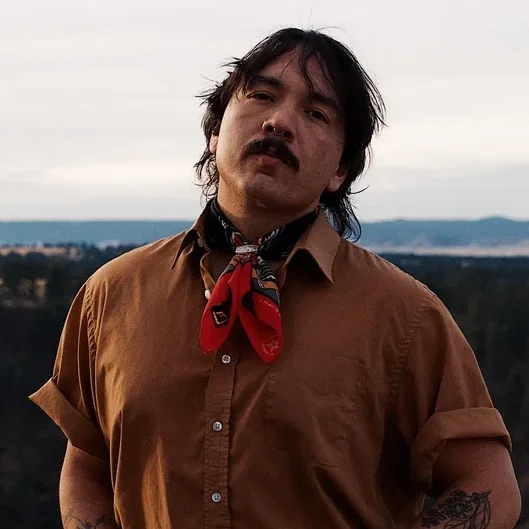
Robert Harold Bordeaux is a member of the Siċaƞġu Lak̇ot̄a Oyat̄e (Rosebud Sioux Tribe), writer, and activist from Spearfish, South Dakota. Growing up disconnected from his Lak̇ot̄a family, his life has been a journey of finding his way home to the Rosebud Reservation to share space and grow in relationship with his tiwahe (family).
In his writing, he touches on this journey connecting with his Lak̇ot̄a roots as he learns from Uƞc̄i i Mak̇a what it means to be a good relative and ancestor. He shares openly about his life through his books, content shared online, and speaking. Outside of writing, Bordeaux is active in carrying on his ancestors’ legacy of fighting for sovereignty through his activism around the abolition of harmful colonial systems. He currently works as the graphic and content designer for the National Native American Boarding School Healing Coalition.
Bordeaux is a board member of the South Dakota State Poetry Society. His latest collection of poems, Prairie Bones (Wiyounkihipi Productions), was released Spring 2025.
Storytelling that challenges America’s colonial roots
Peace & Riot brings you stories from the frontlines.
From the activists who pioneered the modern environmental justice movement, to the Indigenous organizers defending their sacred lands, to the agricultural laborers fighting for dignity—we’re a home for the people and movements that have always pushed this country closer to its ideals.
Keep our work alive with a donation of any size.