
SPRING 2026
Tools & Tactics For Data Defense
How to reclaim community control over environmental data
By Katya Abazajian & Emelia Williams
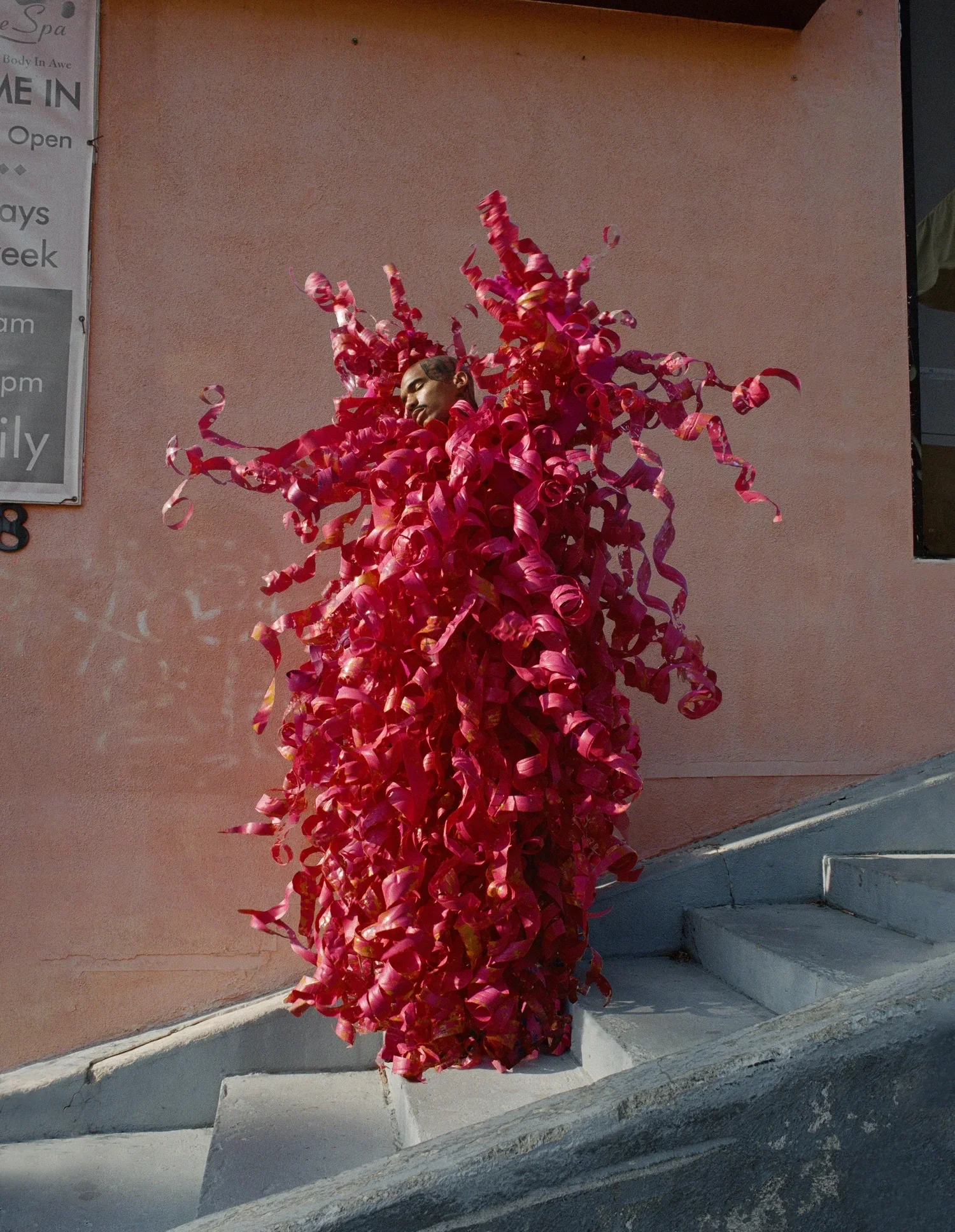
Los Angeles, 2024. Arielle Bobb-Willis. This issue’s photographs were chosen for their artistry, human perspective, and emotional depth. While AI can try to mimic and steal their appearance, it cannot replicate lived experience, intuition, or the human truths that make them meaningful. Learn more about this issue’s featured photographer here.
Dear Reader,
Just like we have a right to clean air, water, and soil, we also have a right to control access to data about our communities and our environments – data that can help us better understand and relate to natural systems.
Corporations and institutions extract massive amounts of data about us, our ecosystems, and our communities, all for profit and power. They use it to create unjust data narratives that reinforce their extractive and harmful practices. Data extraction is connected to extractive practices impacting land and the environment.
It’s time to take back the narrative. By claiming community control over environmental data, we can start telling our stories our own way.
We wrote this zine for people who:
Steward land or grow food
Practice land-based cultural traditions
Collect or use environmental data
Live in or near polluted or contaminated zones
Live in a disaster prone area or survived a disaster
We attempt to define environmental data rights and tactics for data defense in the hopes that you’ll adapt these practices and make them your own. We have so much to learn about what data justice looks like in environmental movements. If you try these tactics on your own, we hope you’ll let us know.
We created this zine across Carrizo/Comecrudo, Karankawa, and Tongva/Gabrielino lands with honor and respect for the people who cared for these lands before us. We hope these explorations are helpful to you, and the places and people you love.
In solidarity,
Katya Abazajian & Emelia Williams

Emelia Williams (she/they) is a technologist and researcher, now focusing on environmental data stewardship in environmental and climate justice contexts. They are currently at the Open Environmental Data Project (OEDP) as the Senior Research and Policy Manager and formerly a Civic Science Fellow with the Rita Allen Foundation. In 2020, she completed her master’s degree in Law and Diplomacy from The Fletcher School at Tufts University, specializing in natural resource policy. Before OEDP, Emelia worked in research roles in energy access, urban agriculture, and experiential environmental education.

Katya Abazajian (she/they) is a writer, facilitator, and public researcher helping people navigate relationality within collective work to shape a just, caring future. She is Creator & Lead Educator of the People’s Data Project. Her research has previously been published by the Mozilla Foundation’s Data Futures Lab and the Institute for the Cooperative Digital Economy at the New School. She is a collective member on the Houston Climate Justice Museum’s Creative Team and was a founding member of the Houston Abolitionist Collective.
Peace & Riot is made by real people — not AI.
Journalists, photographers, editors, and contributors doing original reporting from the frontlines.
That work is under threat. Newsrooms are shrinking. AI is training itself on what journalists have already built, and replacing it with something hollow.
Independent, human storytelling is being squeezed from every direction. If you value work built on lived experience, not stolen data — help keep it alive.
Donate to power more issues like this one.