
Fall/Winter 2025
COMMUNITY POWER COMES FIRST
Yessenia Funes on disaster resilience and recovery.
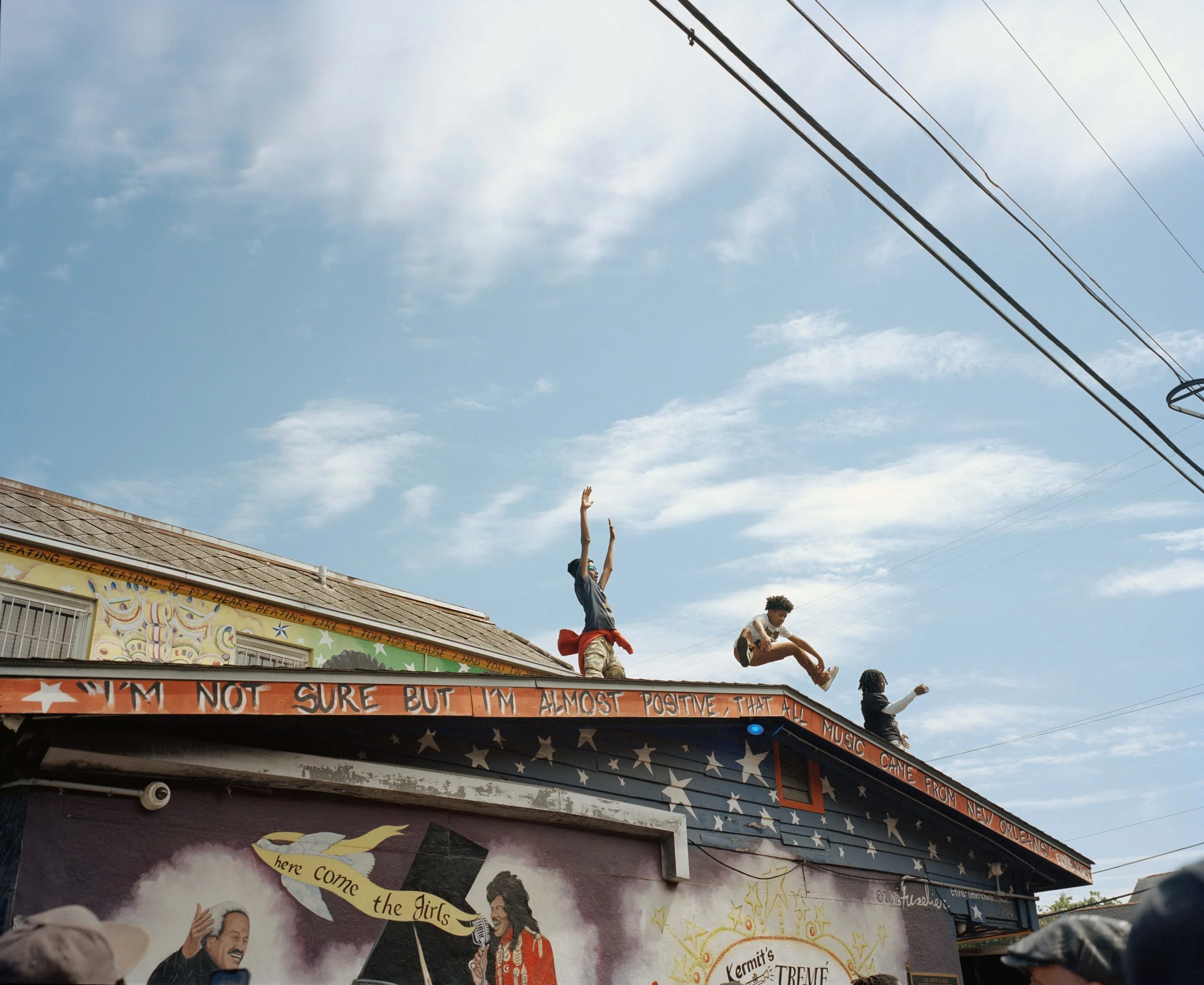
Photography by Brandon Holland.
DISASTER RECOVERY IS A COMMUNITY ISSUE
Jose and Maria Gámez have survived three floods in their home in Canton, North Carolina. The first was in 2004. Maria was pregnant with her son then. He now runs a landscaping business, tinkering away on a lawnmower as I talked to his parents outside. It’s nearly September, the height of the Atlantic hurricane season.
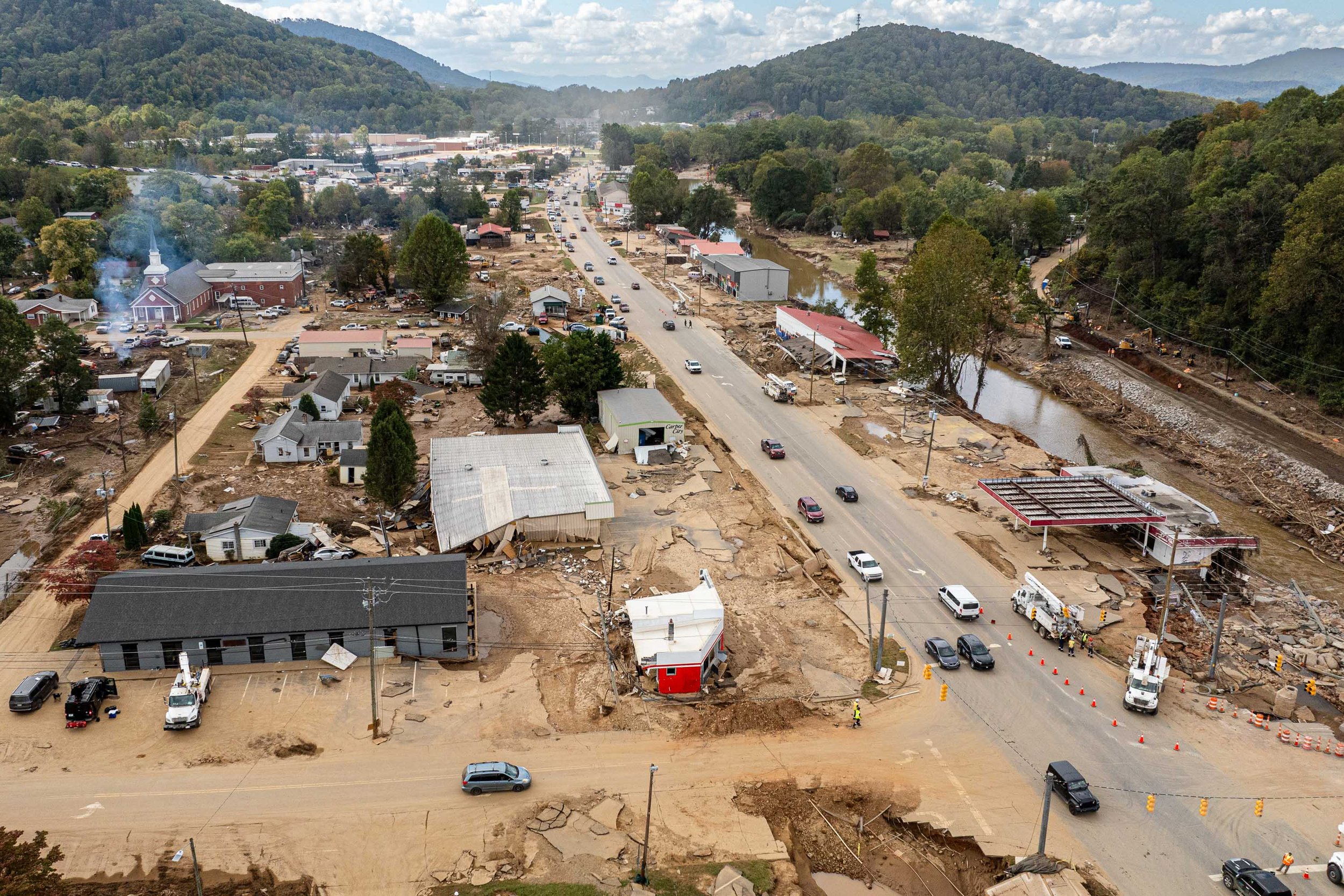
Swannanoa, NC four days after Hurricane Helene flooded the town. Photography by Justin Cook.
I’m visiting them with Ricardo Bello, executive director of UNIDXS, a community organization dedicated to helping Spanish speakers in western North Carolina. He saw firsthand how Hurricane Helene disrupted the family’s lives yet again as the Pigeon River, barely 400 feet away, engorged with water, rushed through and wrecked mobile homes. Their garage, where their son had built a little studio apartment, was ruined. “Material things don’t matter as much to me anymore,” Jose said in Spanish in a call after my visit. “We never know when we’ll be left with nothing again.”
Unlike that first storm, no one came to evacuate them last year, but they knew the time had come to flee. When they returned home, they leaned on groups like Bello’s to rebuild. Their experience was a reminder that more often than not, it is the community that takes care of each other during a crisis rather than the government. In the 20 years since, this family’s world changed dramatically, but one thing remained the same: their vulnerability to floods. Indeed, as fossil fuel companies continue to pollute the planet, the climate crisis is only increasing the threat to families across the U.S.
“Their experience was a reminder that more often than not, it is the community that takes care of each other during a crisis rather than the government.”
FEDERAL POLICY AND EXTREME WEATHER
These days, another factor is compounding the dangers of extreme weather. President Donald Trump has gutted the federal agencies that step in before, during, and after disasters. The Federal Emergency Management Agency and the Environmental Protection Agency are shells of what they once were. Tech mogul Elon Musk’s DOGE cuts and the government shutdown have jointly eliminated tens of thousands of federal positions. This has left many underresourced and overworked frontline community organizations scrambling to fill in gaps in governmental emergency response.
Despite the lessons learned from Hurricane Katrina 20 years ago, the Trump administration has hastily eroded the already-weak barriers protecting the country’s most vulnerable. And we cannot forget the grueling aftermath of Katrina.
The storm killed over 1,800 people and caused over $108 billion in damages (closer to $180 billion if adjusted for inflation). It exposed the government’s neglect of critical infrastructure as New Orleans’ levees crumbled. Low-income areas were abandoned. Katrina also shed light on the country’s failing emergency management systems during those crucial first minutes, hours, and days. Federal and state governments lacked coordination. People faced an imminent threat from rising waters. After the storm, chemical polluters created another risk. The feds didn’t have the tools or speed to adequately monitor air quality or toxic waste.
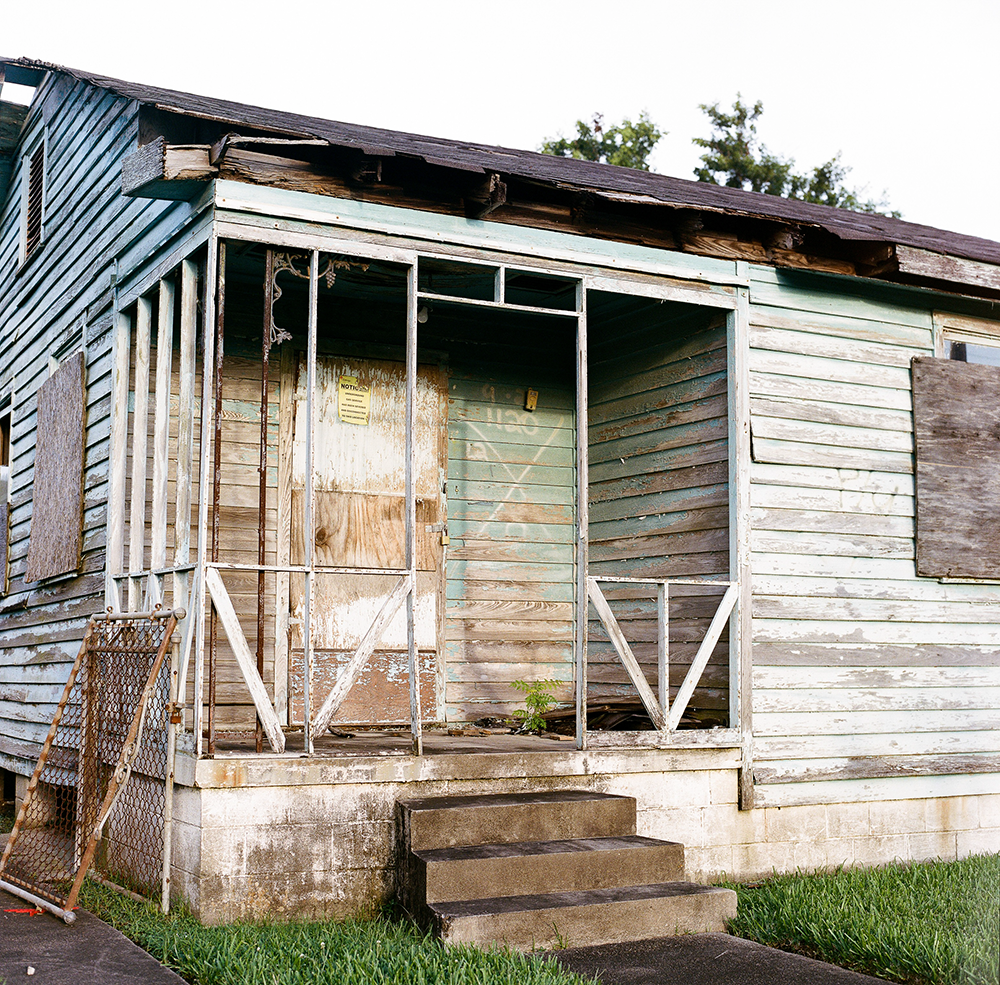
Lower 9th ward, New Orleans. While most are now gone, some Katrina x-codes still dot houses in the city’s most heavily affected neighborhoods. The codes were used by search and rescue teams to mark searched houses in the immediate wake of the hurricane.Photography by Brandon Holland.
“The areas where we lack infrastructure are often where we have high rates of poverty or other indicators of failing infrastructure ... They are ticking time bombs for events like Katrina or Helene.”
“The areas where we lack infrastructure are often where we have high rates of poverty or other indicators of failing infrastructure, like high collections of hazardous materials,” said Ryan Hathaway, the climate and environmental justice director of Lawyers for Good Government. “They are ticking time bombs for events like Katrina or Helene.”
Hurricane Katrina also underscored the urgency for the federal government to develop a smoother command system before and during disaster. In response, Congress passed the Post-Katrina Emergency Management Reform Act to restructure and strengthen FEMA. Similar to the EPA, this new iteration of FEMA established 10 regional offices that brought leadership closer to affected regions and gave them more decision-making power. Although grassroots community care networks continue to be invaluable during a crisis, reforms like this are one way that governments can better serve their constituents.
Then, a few years later, Superstorm Sandy struck the East Coast. That storm highlighted the government’s delays in distributing aid in the weeks and months that followed. Over time, our elected officials came to understand that mitigating catastrophe was the real solution. In 2018, Congress passed the Disaster Recovery Reform Act to assist municipalities in accessing dollars that would keep such wide-scale devastation at bay.
“There’s always an element we could’ve prevented or prepared for better,” Hathaway said.
Former President Joe Biden’s administration listened to the evidence and launched several programs to take action. There was the Justice40 Initiative to bring 40 percent of federal benefits to the communities the government has historically ignored. Trump has undone that effort. The EPA’s Building Resilient Infrastructure and Communities grant, known as BRIC, would have given local districts and organizations hundreds of millions to improve their resilience to the next storm. Trump has wasted no time dismantling that altogether. The program’s funds remain in limbo in the courts.
“I still don’t think we should give up on the federal government. The fight is far from over for the funds that they owe people.”
MOVING FORWARD
This moment requires creative problem-solving, Hathaway told me. The country’s leaders will have to piece together ways to brace for the next hit without federal support while also holding the executive branch accountable. It’s going to require us to patchwork together strategies, from better resourcing local community organizations to advocating for state policy changes.
“I still don’t think we should give up on the federal government,” he said. “The fight is far from over for the funds that they owe people.”
In the decades since Katrina, the federal government took steps to become more strategic in its disaster response. The culmination was flawed and long overdue, but the result was still better than the years before Katrina. Trump, however, has walked back much of those strides in a matter of months. He treats the climate crisis like a joke: “This ‘climate change,’ it’s the greatest con job ever perpetrated on the world, in my opinion,” he said in his September 2025 address to the United Nations General Assembly. Now, states and cities no longer have the same resources to focus on prevention. Local nonprofits that help families on the ground have less financial support from their government partners. Ultimately, these are the groups that communities lean on.
“Their neighbors brought them money, clothes, and food when they had no power. Not the government. Strangers returned light to their home when the darkness nearly suffocated them. Not the government.”
When Hurricane Helene damaged their home, the Gámezes did eventually receive flood insurance assistance, but their immediate salvation came from local churches. Their neighbors brought them money, clothes, and food when they had no power. Not the government. Strangers returned light to their home when the darkness nearly suffocated them. Not the government.
And here the Gámezes will stay. The river is more than a source of fear and tragedy. It’s also where they’ve held barbecues. It’s where their children swam and played. They won’t give up their little piece of the American dream.
They’ll rebuild and retrofit again if they must—with or without the help of the U.S. government.
How does the concept of peace & riot show up in your work?
I'm a journalist, so peace and riot shows up in my work through the stories I tell and the voices I uplift. I'm working to foster a better world—one rooted in peace—by shedding light on the people who are causing a riot to hold the powerful accountable and empower the most vulnerable.
- Yessenia Funes
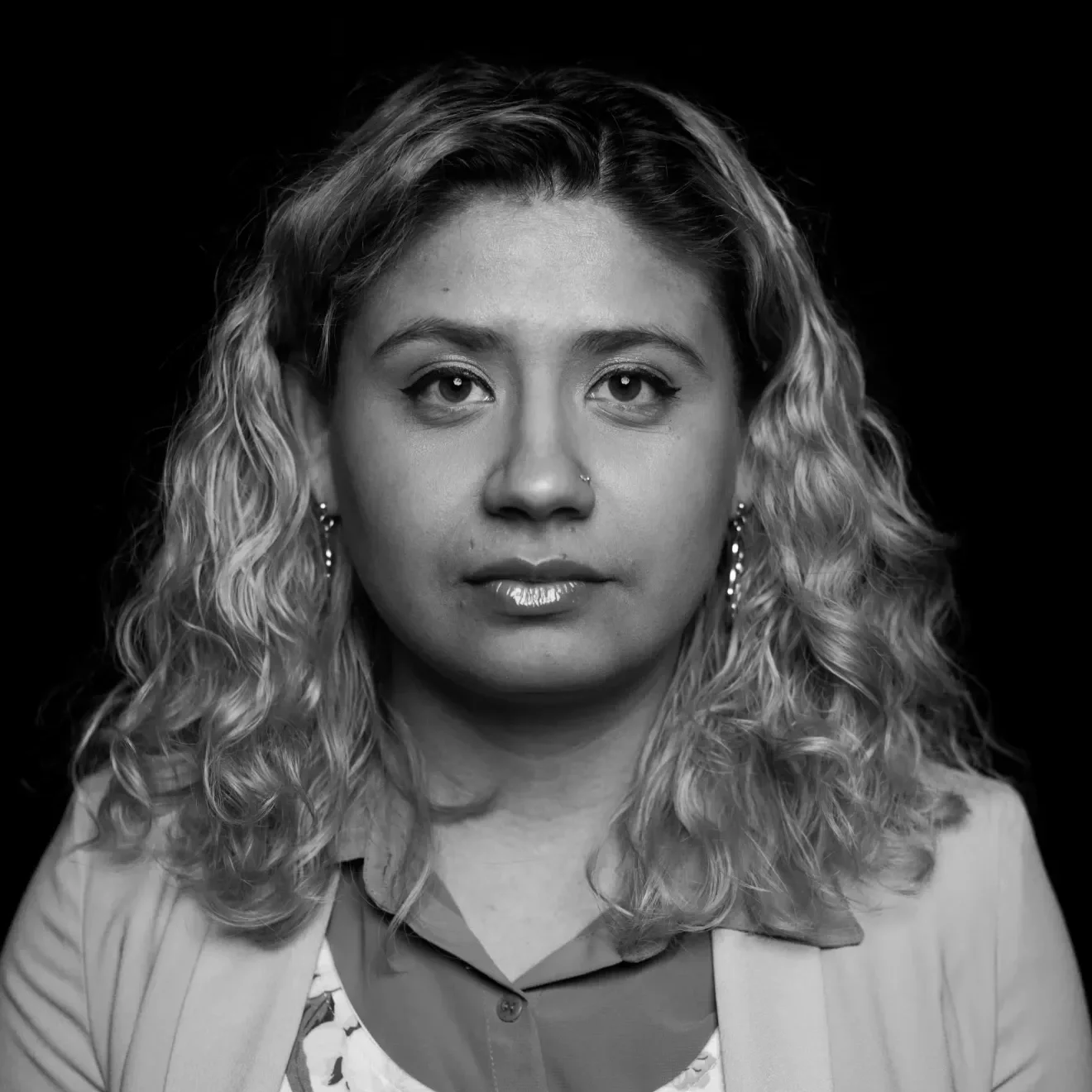
Yessenia Funes is a journalist who has covered environmental issues through the lens of the oppressed for over 10 years. Her reporting has taken her to communities across the globe—from Louisiana's Cancer Alley to the West Bank in Palestine. She publishes a creative indie climate newsletter called Possibilities every Thursday. Her writing can be found in Yale Climate Connections, Vox, National Geographic, The Guardian, and more.
Peace & Riot is a nonprofit publication and free to read.
We believe access to movement-rooted storytelling should remain open and accessible.
But sustaining this publication requires sustained funding.
If you value independent storytelling that uplifts frontline voices, honors lived experience, and strengthens cultural resistance, please consider supporting our work with a tax-deductible donation.
Your contribution helps sustain the journalists, editors, artists, and storytellers who make this digital zine possible — and ensures Peace & Riot remains a platform for connection, truth, and creative expression.
Support Peace & Riot today.