
SUMMER 2026
How Origin Stories Shape the World
From greed to generosity
By Dr. PennElys Droz
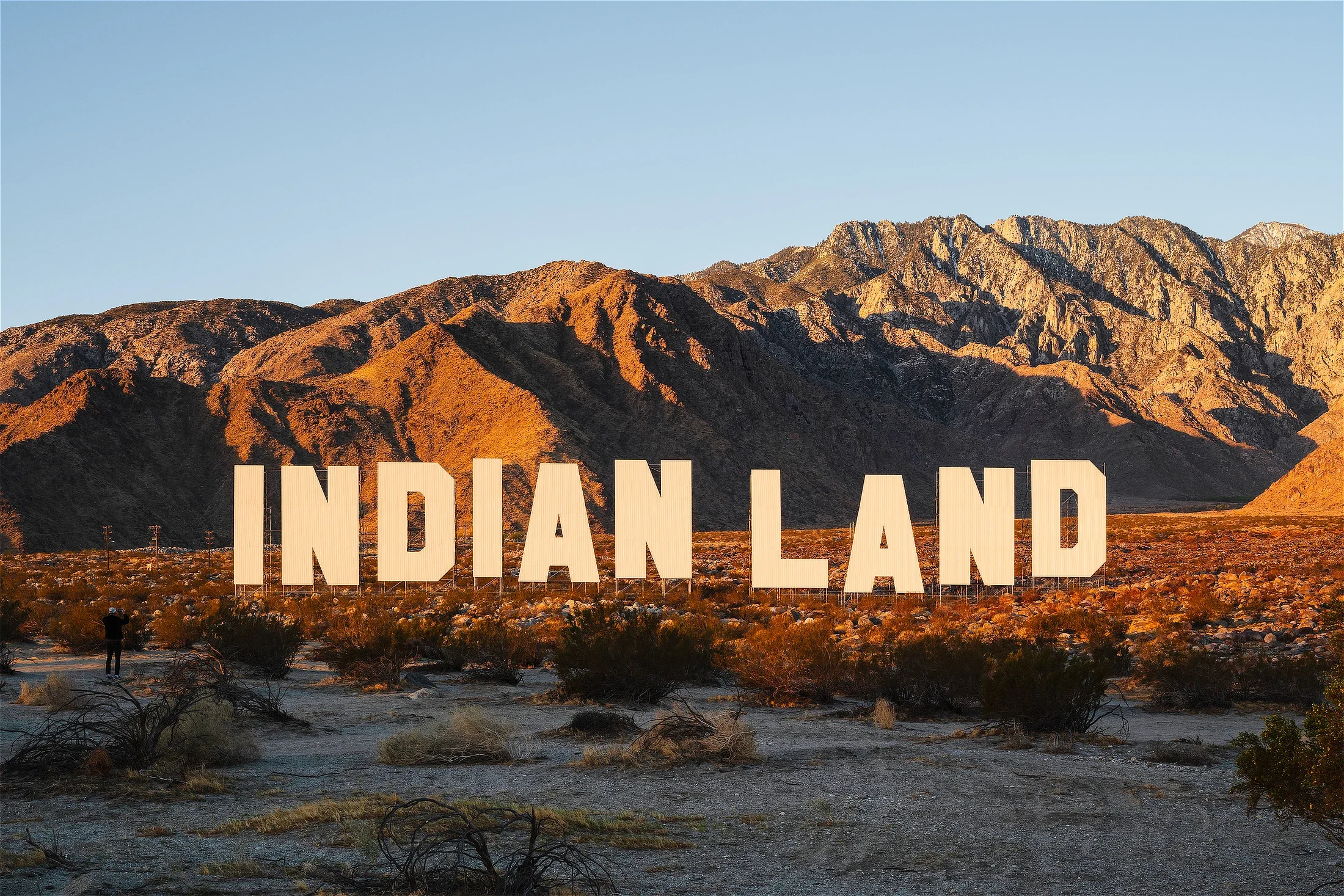
“Never Forget” by Nicholas Galanin, a Tlingit and Unangax̂ artist. The 45-foot letters of “Never Forget” reference the Hollywood sign, which initially spelled out HOLLYWOODLAND and was erected to promote a whites-only development. Meanwhile, the white settler mythology of America as the land of the free, home of the brave was promoted in the West, and the landscape was cinematized through the same lens. “Never Forget” asks settler landowners to participate in the work by transferring land titles and management to local Indigenous communities. The work is a call to action and a reminder that land acknowledgments become only performative when they do not explicitly support the Land Back movement.
Courtesy the artist and Peter Blum Gallery, New York.
This story was produced by Counterstream Media and co-published with Nonprofit Quarterly as part of the #WeTheCivic national narrative intervention.
ORIGIN STORIES
As we reflect on “America” at 250, I return to the meaning and power of origin stories. The origin of the United States government has been a story of catastrophic and incomprehensible violence. Despite the language of “freedom for all,” this country’s story is one of both genocide and ecocide. It’s a story that has been mostly validated by the United States government rather than considered a series of lessons to learn from. It seems to me this anniversary is a good time to reflect on what forces and dreams shaped where we are today, on this land, together.
As a mother, grandmother, and community worker, origin stories are my guiding force. Across different cultures and communities, spiritual, cosmological, social, and ecological origin stories not only root us in where we come from and who we are, but also teach us how we can orient ourselves in our lives, communities, and place within the river of time.
“Thanks to my mother’s encouragement, I apprenticed myself to the dirt, moss, fungi, ocean, trees, and animals that surrounded me.”
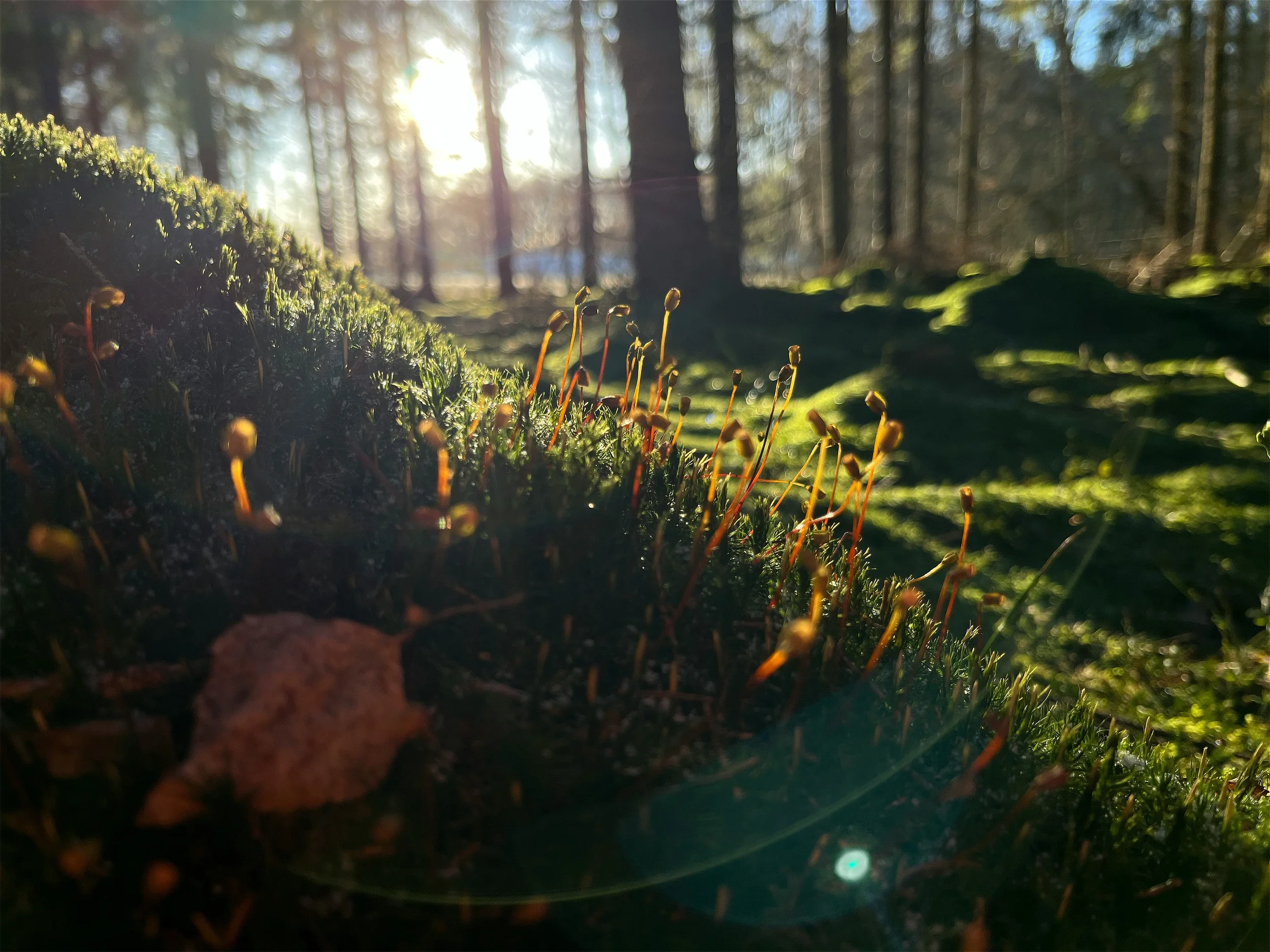
My own origin story is shaped by many people and places. I am an interethnic person of northern forest ancestors; Anishinaabek, Wyandot, French Swiss, Scottish, Friesian. I was raised by my mother in the Yurok community of northern California in a rural village of just 300 people. My mother held me in the matriarchal culture of her family and guided me to be ‘for’ both my Turtle Island Indigenous culture and the community I was raised in while staying rooted in our role as interethnic, intercultural people. She also raised me with a strong relationship to place. Thanks to my mother’s encouragement, I apprenticed myself to the dirt, moss, fungi, ocean, trees, and animals that surrounded me. I considered them my core community of relatives and teachers, and didn’t feel a pull to learn more about the human world until I was a young mother. This intimacy and comfort with the world outside of the human experience had a deep impact on how I am in the world.
My sense of cultural rootedness, the drive for justice I inherited from my mother’s family, and the loss of friends to suicide, violence and alcohol led me into the international Indigenous social and environmental justice movements in 1999. As a teenager, I found myself quickly immersed in rich conversations with diverse Indigenous peoples from across our mother Earth. Even in our profound diversity, I was struck by the commonalities we share, including the core understanding of our responsibilities to the living world, and our belief in the teachings of reciprocity, boundaries and balance. For many of us, these commonalities came through stories of cultural reflection passed down by Indigenous peoples from every continent.
“But through our shared organizing, I came to the belief that the majority of the world’s peoples are not rooted in value systems that facilitate colonial extraction and domination, but rather in worldviews that center reciprocity and relationship, as mine did.”
At that time, it was common to hear Americans respond to our advocacy for justice, healing, and humanity with the assertion that it’s just “human nature” to compete, be selfish, and enact violence. But through our shared organizing, I came to the belief that the majority of the world’s peoples are not rooted in value systems that facilitate colonial extraction and domination, but rather in worldviews that center reciprocity and relationship, as mine did.
UNDERSTANDING ROOT CAUSES
It’s true, however, that colonial cultures have been extremely effective at extending power and control. In order to understand why, I went on a deep journey of examining the cultural origin story of colonial values. I centered my study on European colonialism; the history that was closest to my experience. I spent many weeks in the library digging through books, looking for origin stories. Through my research, I found particular junctures of time in which those cultures who would develop empires lost their responsibility to a homeland. I also noted that they shared an originating hierarchical social system, with some people relegated to subservience. The loss of responsibility to land and the belief of the supremacy of some people over others seemed to be foundational to cultures that grew to become deeply violent and extractive, extending this violence over the European and Asian continents, and eventually arriving on Turtle Island.
Origin stories—like the origin stories that fuel the myth of America—can replicate systems of violence, extraction, and settler colonialism. But origin stories also have the capacity to bring a depth of understanding, empathy, and strategic knowledge. I think of the story of Deganawidah and the creation of the Haudenosaunee Confederacy—the original democracy that inspired the settlers in the early United States. Deganawidah, and his orator Hiawatha, brought a message of peace and power to heal generations of warfare. These teaching stories are the reason why old cultures are still here. We are all human. We all falter and fail. But if our cultures carry stories to reorient us towards life-affirming relationality in times of struggle, we can continue to thrive.
And so, when I became a young mother, my purpose was to raise children who were deeply aware of both the living Earth and their responsibilities to maintain and grow our culture. I wanted to root them in love for the natural world and their community so that they would have a strong foundation from which to face the struggles of life. Part of that meant teaching them stories to help them orient. When they were old enough to experience the devastation present in the world—a devastation made possible more often than not by human action and extraction—my response to their shocked questions would be to explain that the Spirit of Greed had been allowed to take over. The Spirit of Greed can be recognized in teaching stories from old cultures across the world, sometimes embodied as a being with a name, sometimes described only through behavior.
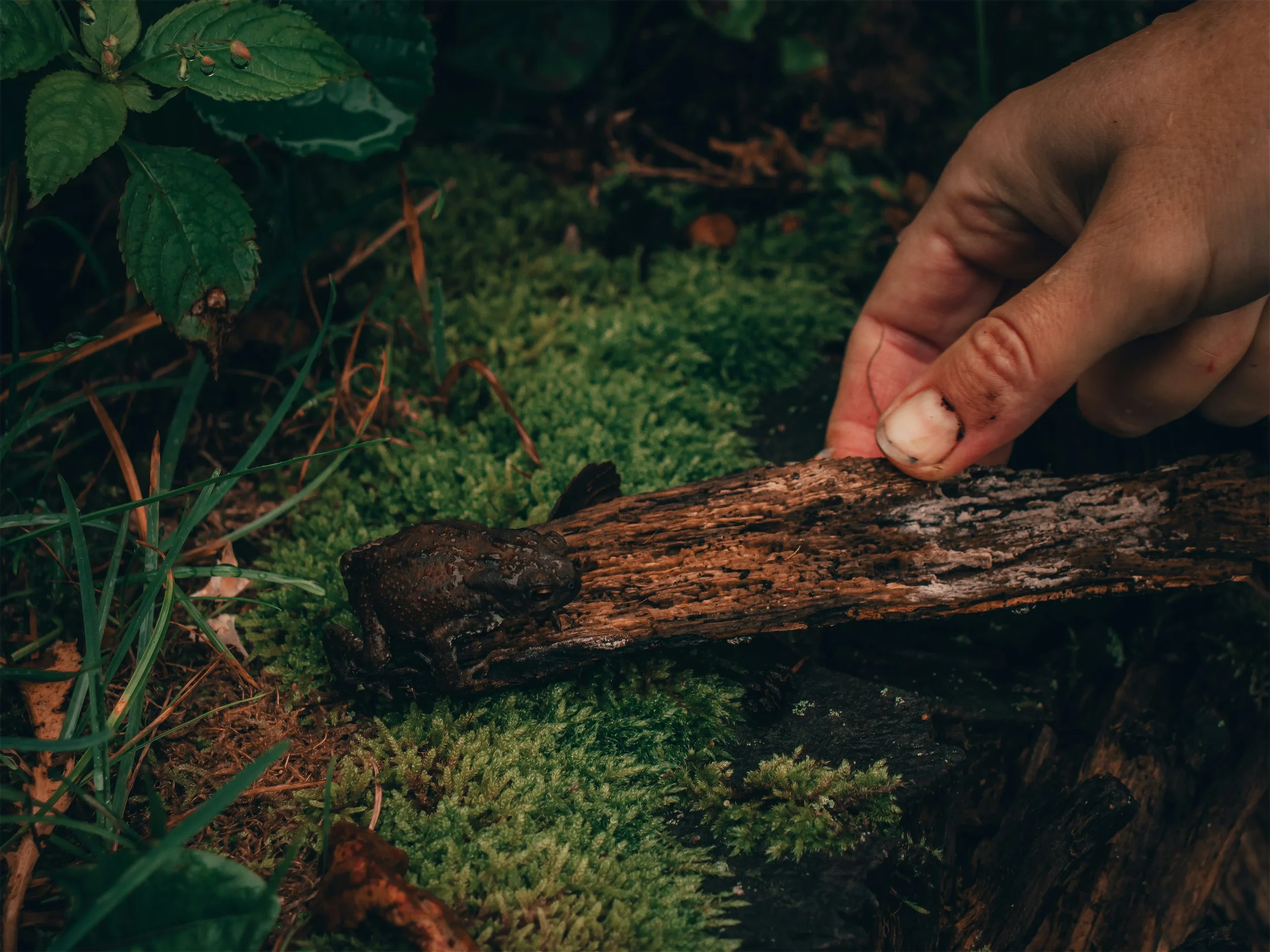
In our Creation story, the world was created from duality, so of course a world full of generosity, love, beauty, and miraculous gifts would have a counterbalance. Like Star Wars, the Force—the energy underlying Creation—has different sides. When unattended and allowed to grow out of balance, the Spirit of Greed can grow from a small insecurity into a ravenous appetite, sense of entitlement, and commitment to hierarchy that we see strongly present in the settler colonial culture of the United States. This entitlement, in turn, can be used to justify violence, domination, and extraction in service of the idea of individual freedom. This can show up across scale, from wanting more land or material things, to the impulse to eat more food or use more water than we need, or even simply and destructively seeing the world only through our own needs and perspectives instead of holding the generosity of an expanded viewpoint. Because of the danger of the Spirit of Greed, one of our life’s works is to notice when that spirit arises in us and to care for it. We care for that spirit by questioning what our true needs are, and considering what we can let go of to facilitate good relationships with the natural world and each other. The cultures who devolved into empire and domination allowed themselves to be led by the Spirit of Greed instead of firmly responding to scarcity and insecurity with cultural transformation, deepened collaboration and strengthened relationship.
In learning from our history, it is helpful to understand how these empires extended power and control, so that we can both protect ourselves further and find our healing. Strategies of disconnection and community fracture underlie the ability of colonial cultures to obtain and maintain power—strategies still utilized by the United States today in the push for global dominance.
A first stage of the spread of empire is the disconnection of people from their homelands. This has been practiced through Indigenous genocide and land theft, land enclosure, forced removal of people from their homelands and the removal of children from their communities through the boarding school system. Because our greatest power comes from our loving relationship with our homelands, this disconnection diminishes our power, foundation, and safety.
“These tactics continue to be used by colonial elites worldwide to attempt to control and crush the agency and power of Indigenous and land-based peoples as well as the rest of the global majority.”
Next, disconnecting people from their cultures and communities further extends control, reducing the collective community strength of the people. This is enacted through, again, boarding schools and other forms of indoctrination. In the United States, boarding schools worked to erase languages and culture, enforcing Indigenous inferiority and intentionally dividing the children from each other and their families. The imposition of external laws and governmental structures not only made traditional community governance, ceremony, and practices illegal, but also disrupted the power of community relationships and care. Division was also curated between cultures, economic classes, and ethnicities to maintain a fractured majority.
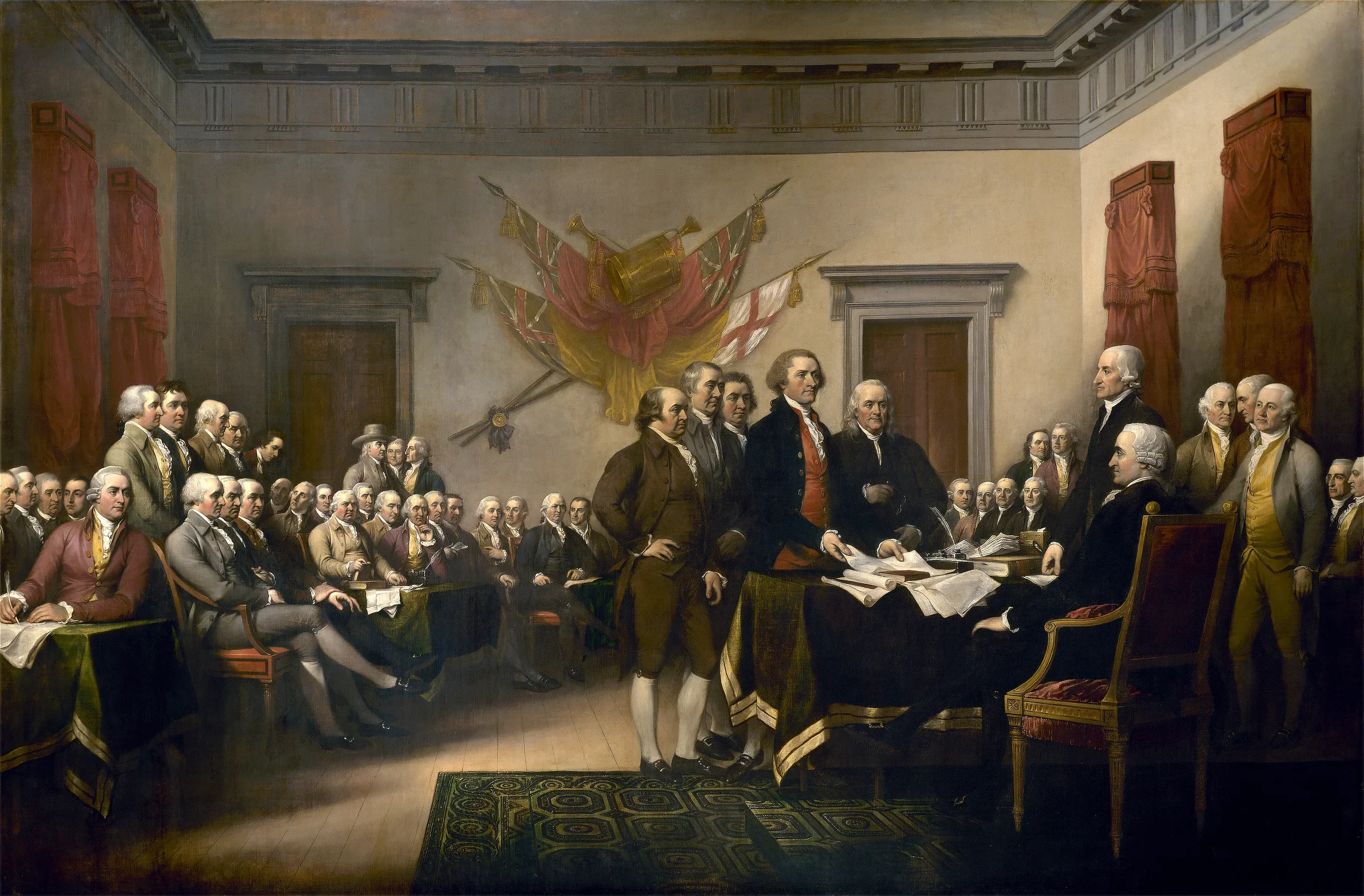
John Trumbull's 1819 painting, Declaration of Independence, depicts the five-man drafting committee of the Declaration of Independence presenting their work to the Second Continental Congress.
Following the lead of the original colonial states, the founding United States government administrations also practiced economic disruption and disconnection through the intentional destruction and diminishment of traditional economic practices, harvests, and trade. This effectively enforced economic dependency of the Indigenous and ‘other’ on the colonial governments, while locking economic agency into the wealthy class, a practice maintained to keep a dependent worker class. These tactics continue to be used by colonial elites worldwide to attempt to control and crush the agency and power of Indigenous and land-based peoples as well as the rest of the global majority.
Just as bell hooks explored how patriarchy harms men in deeply powerful ways, so the culture of colonialism harms those who participate in that way of being. I have noticed that families from this hegemonic culture of extraction, competition, and individualism, even those (and sometimes especially those) who have benefited the most hold the pain of these ways of being deeply. They are some of the most alone, isolated, fearful folks I have ever met. It is deeply sad to imagine living in a culture that doesn’t inherently recognize the life of the Earth, or our place in the universe, as a small and powerful part of an inseparable web of relationships we are beholden to in beautiful and difficult ways. Wendell Berry powerfully explored this in his book The Hidden Wound, stating, “No man will ever be whole and dignified and free except in the knowledge that the men around him are whole and dignified and free, and that the world itself is free of contempt and misuse.”
And so now here we are—together.
All of us and all parts of us, I say as a descendent of many.
FROM GREED TO GENEROSITY
The Spirit of Greed that underlies America’s colonial culture and practices has truly extended its power, causing ecological, spiritual, social, and economic devastation to the majority of the world’s people and lands. The United States has become the leading economic empire of the 21st century, enforcing resource theft and domination through violence worldwide. During this era of empire, the dark side of the Force is rampant.
“We are testimony to the power of our ancestors, and the spirit of life and Creation. And what is our resistance now? How are we to face the force of destruction that wears many masks?”
It is a deep-time generational struggle, but there has always been heroic resistance on all fronts. From our ancestors who hid seeds and knowledge for generations until it was safe to emerge again, to the warriors who fought genocidal armies—we are the result of such heroic determination and strength. We are testimony to the power of our ancestors, and the spirit of life and Creation. And what is our resistance now? How are we to face the force of destruction that wears many masks? What gifts will we give our descendants, so they can look back in gratitude that we did not give up?
Because the Spirit of Greed extends power through disconnection, I believe that the resistance to this is re-connection. Rebalancing the energies of the Universe—pushing back the dark side of the Force—requires reconnection through material change and restoration.
Land was stolen and moved into private property, removing the people from their land relationships and each other. The medicine is thus the restoration of land to the people, and the rebuilding of cultures that are able to collectively care for land again. This looks like Indigenous communities receiving land back and bringing traditional caretaking back to their homelands. This looks like communities of color whose ancestors were violently removed from land, or who were never able to access land, being able to access land titles. This also looks like settler descendents learning to share land care, and like wealthy folks giving land away.
Our minds, hearts and spirits were damaged by the extractive ways of believing, acting, and thinking that were pushed on us by the settler colonial project. Histories were hidden and re-written and voices were silenced. The medicine is thus to restore pathways for truth, platforms for voice, and emotional, mental and spiritual release, balancing the energy of oppression and silencing. Then, we can create pathways for reconnecting, healing, finding and sharing our community teachings, reviving our languages, governance, and community care while building new practices based on our values.
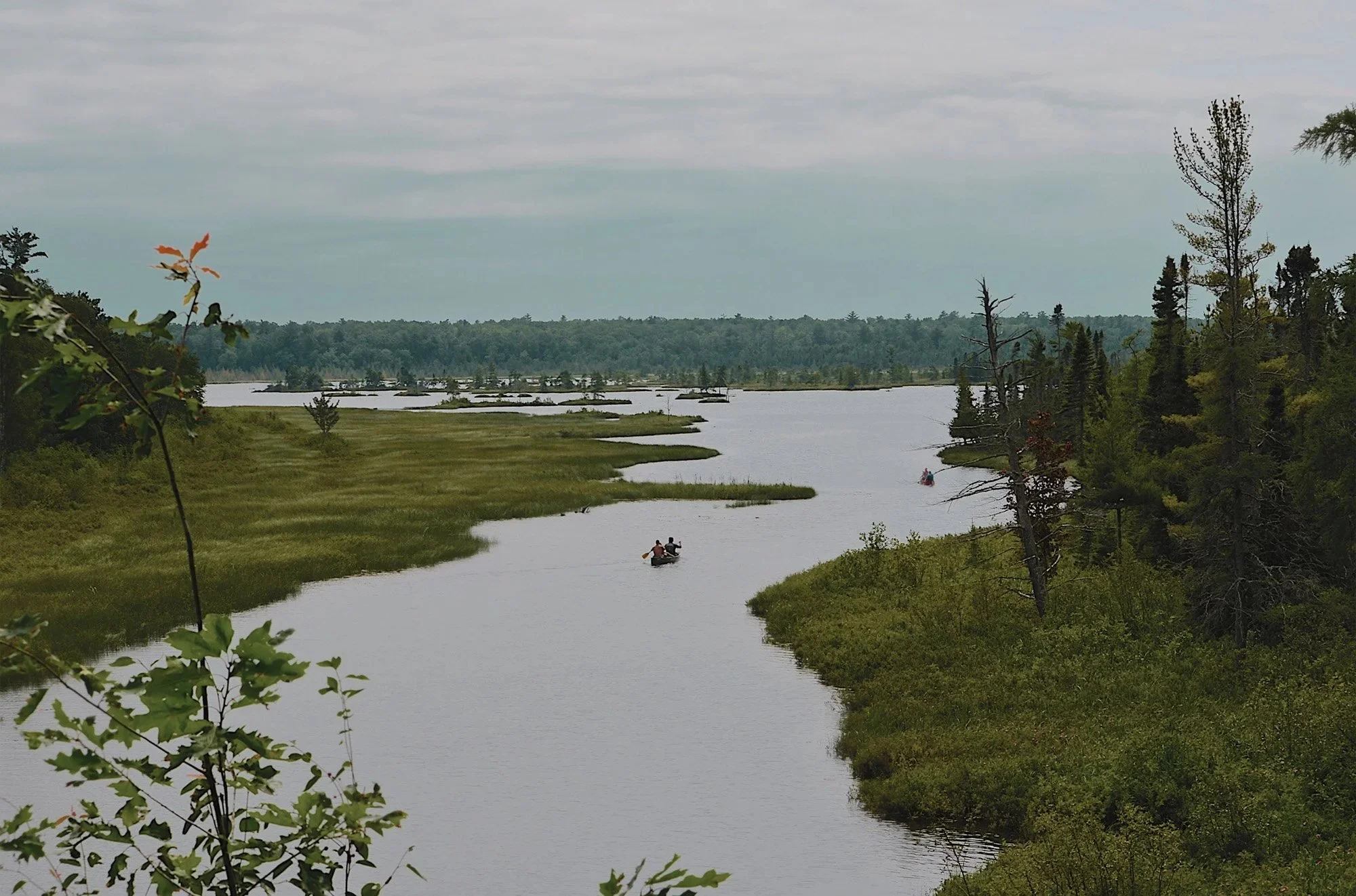
Mooningwanekaaning, Madeline Island, is the home and spiritual center of the Anishinaabe people whose territory spans the entire transnational Great Lakes region. The Island was the final stopping place on a prophecy-led migration that took generations to complete from the East Coast. Photography by the Flicker House.
We have been disconnected from our traditional economies and forced into dependency within extractive economic systems. So, our medicine is the rebuilding of restorative economies based on our responsibilities and relationships to our land and each other, building our creative agency and community interdependence. Labor, creative self-determination and ecological abundance were extracted, turned into money, and hoarded by the wealthy as a material expression of colonial greed. Rebalancing is the return of this abundance to the people, through reparations and disbursement that re-invests in the land and people freely and on their own terms. It also looks like the inheritors of colonial cultures healing the harmful parts of these beliefs and practices by learning to liberate themselves from a need to control, hoard and extract. And even better, learning to come home into a community of powerful, diverse peoples, where we flow back and forth like water between giving and sharing, between struggling and building justice.
“When we focus on the lands, waters, and human needs that bring us together, we can build systems of care for one another even if we don’t like each other.”
And, we join the multiple communities and movements that are doing this work. In my grassroots support work at the Flicker House, we have an organizing network, farm, cultural center, healing program and emerging philanthropic community-governed flow fund all devoted to this reconnection work. We incorporated an Indigenous-led land trust to facilitate intercultural agreements for land care and land sharing—and we support others to develop this type of work as well. We create experiences that bring people back into practical loving relationships with land through growing, harvesting, processing and preserving wild foods and medicines. We host an Indigenous cultural center with a presence and activities that are designed to facilitate intercultural healing, learning, and reciprocity. We are economic organizers, mapping our value chain, as well as are part of a network working to build a collective labor pool and localized food economy. Throughout this work, we center the rebuilding of trusted relationships, individual and community self-determination, relational responsibility, clear communication, loving boundaries and attention to healing the disconnections that have disrupted our ability to thrive.
We can, and must, do this across cosmologies and belief systems. When we focus on the lands, waters, and human needs that bring us together, we can build systems of care for one another even if we don’t like each other. There is a powerful role for translators and bridge builders in the healing of the American empire. This is how I believe we resist being overtaken by the Spirit of Greed, building new collective teaching stories to allow us to thrive together.
The beautiful thing about being human is our ability to dream, change, and learn. Every day, we have an incredible opportunity to create and live our teaching stories. As my youngest son said when he was six, “We are lucky for our lives, you know why? We can dream and we can heal!” The truth of the Earth is not erased by colonial violence and the existence of human governments. The truth of the Earth lives in the hearts of people and our ability to grow through our pain towards each other, building systems of care that can last longer than empire. Through the loving work of our small daily actions and large strategic movements, we can transform the origin story of the American empire into yet another teaching story on what is lost when we choose greed over abundance.
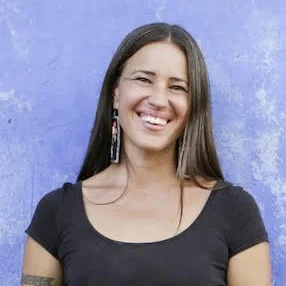
Dr. PennElys Droz is a mother, grandmother, and organizer in service of equitable and healing economies that honor the Earth, our cultures, and our communities, currently serving this work through both grassroots efforts at the Flicker House and as Partner in Governance and Community Strategy at Salmon Returns. She has worked in Indigenous culturally-based engineering and regenerative development for over two decades, currently centered on building Indigenous-led intercultural futures. She is a natural builder, farmer, and lover of all things dirt, moss, lichen, and fungi.
Storytelling that challenges America’s colonial roots
Peace & Riot brings you stories from the frontlines.
From the activists who pioneered the modern environmental justice movement, to the Indigenous organizers defending their sacred lands, to the agricultural laborers fighting for dignity—we’re a home for the people and movements that have always pushed this country closer to its ideals.
Keep our work alive with a donation of any size.